
The Next Hotspot
A highly interactive, ten-chapter read on the global race to build AI infrastructure – where the power, the capital and the permission actually are.
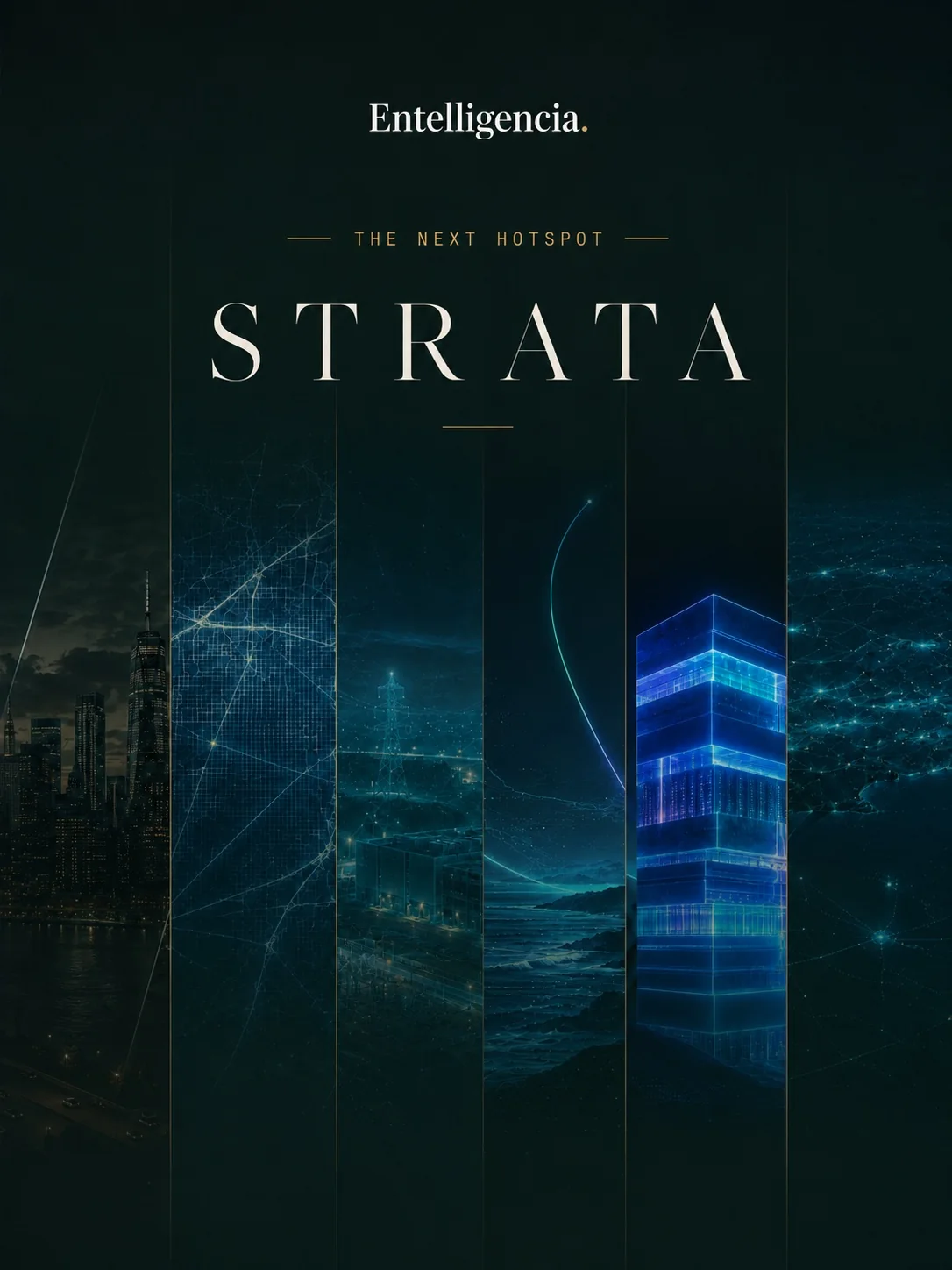 The intelligence layer
Strata
Seven layers that read across all ten markets, from the conditions on the ground to where the money and the silicon land.
Enter Strata →
The intelligence layer
Strata
Seven layers that read across all ten markets, from the conditions on the ground to where the money and the silicon land.
Enter Strata →
 Live · updating for six months
The Next Read
New reads, interviews and markets as they land – original analysis, Sociogencia studies and the interview series.
Jump to the live programme ↓
Live · updating for six months
The Next Read
New reads, interviews and markets as they land – original analysis, Sociogencia studies and the interview series.
Jump to the live programme ↓




























A single buildout, and ten very different places to land it.
Artificial intelligence is a global capital event, but the things it needs – firm power, water, land, fibre and political permission – are stubbornly local. The Next Hotspot tracks where the next wave of data-centre construction actually lands, and where it stalls, across ten markets on five continents.
Can you power it?
Firm capacity, a grid connection with a date on it, and the water to cool what you build.
Can you fund it?
Capital that survives contact with a currency, a counterparty and a twenty-year asset.
Will they let you?
Permission, politics and the public. The constraint that no balance sheet can clear.
Open-source intelligence, verified and paired with contributors on the ground.
The work itself, on the page.
A selection of the instruments this report publishes in – video, live data and scroll-driven long reads, each one live and sourced down to the line. Open any of them.
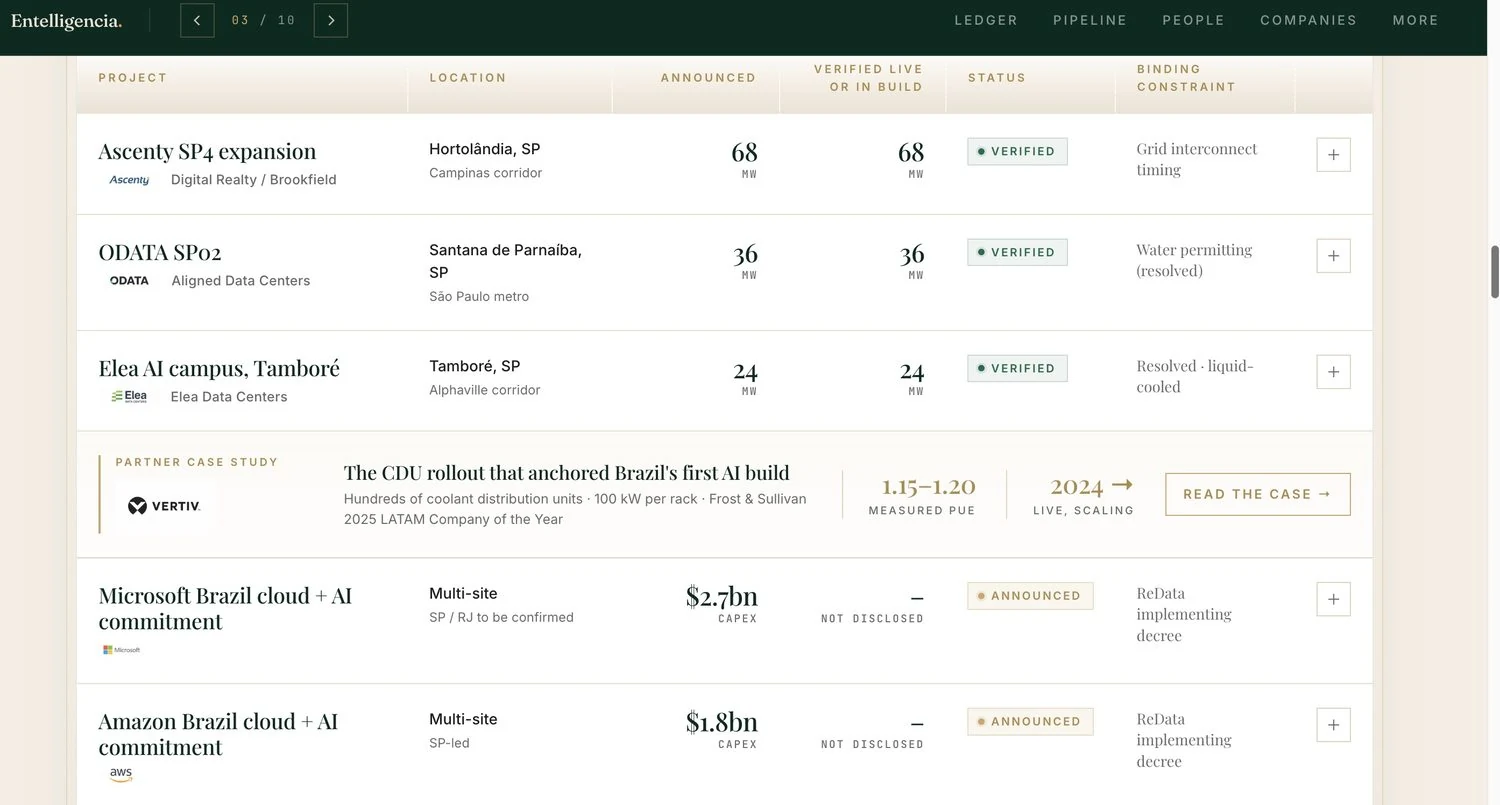 The ledger · live data
Every project, graded.Announced against verified-live capacity, megawatt by megawatt.Open
The ledger · live data
Every project, graded.Announced against verified-live capacity, megawatt by megawatt.Open
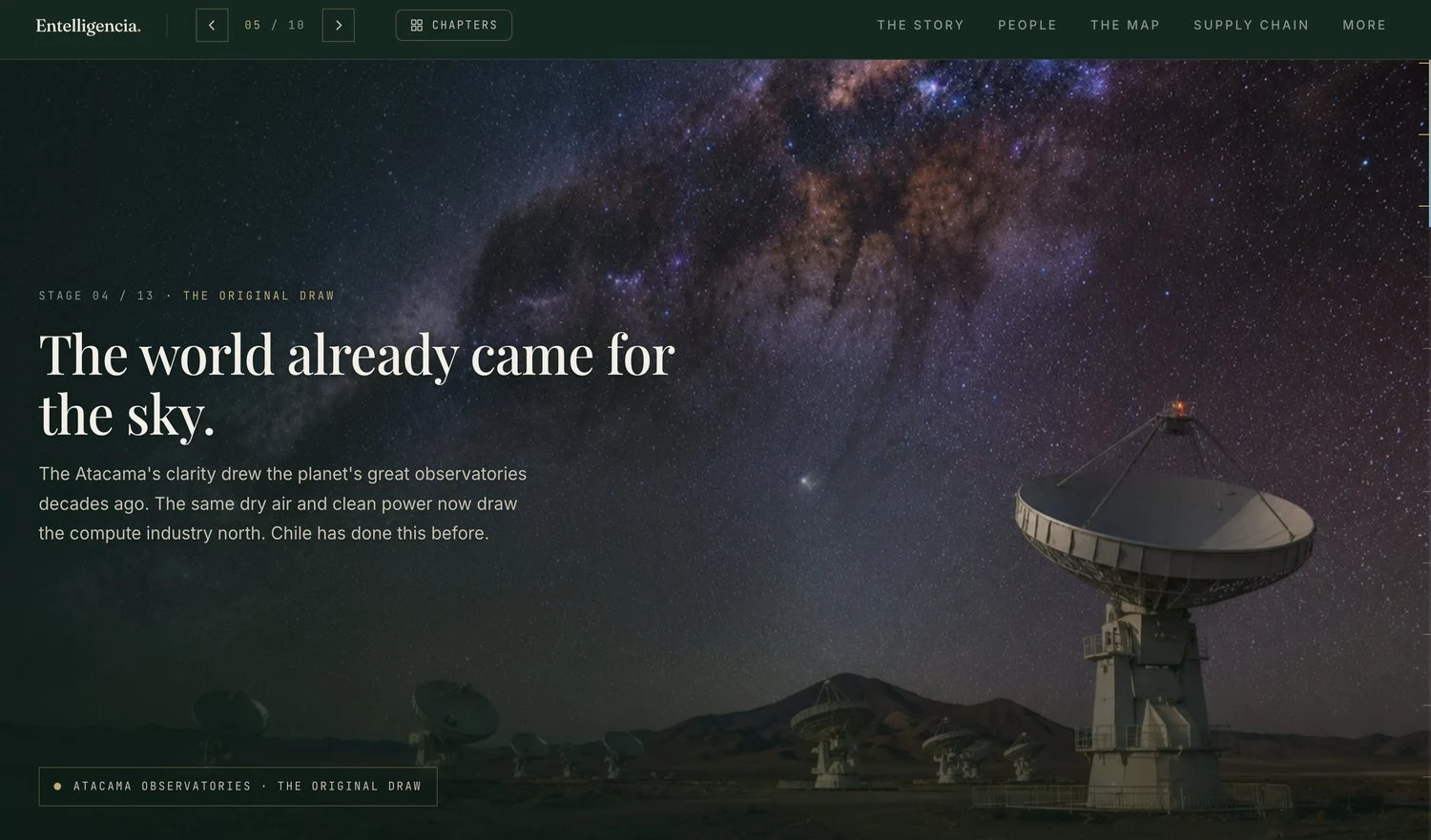 Scrollytelling · long read
The world came for the sky.A cinematic, scroll-driven narrative, stage by stage.Open
The chess game · interactive
Play the endgame.Four layers on one board, move by move.Open
Scrollytelling · long read
The world came for the sky.A cinematic, scroll-driven narrative, stage by stage.Open
The chess game · interactive
Play the endgame.Four layers on one board, move by move.Open
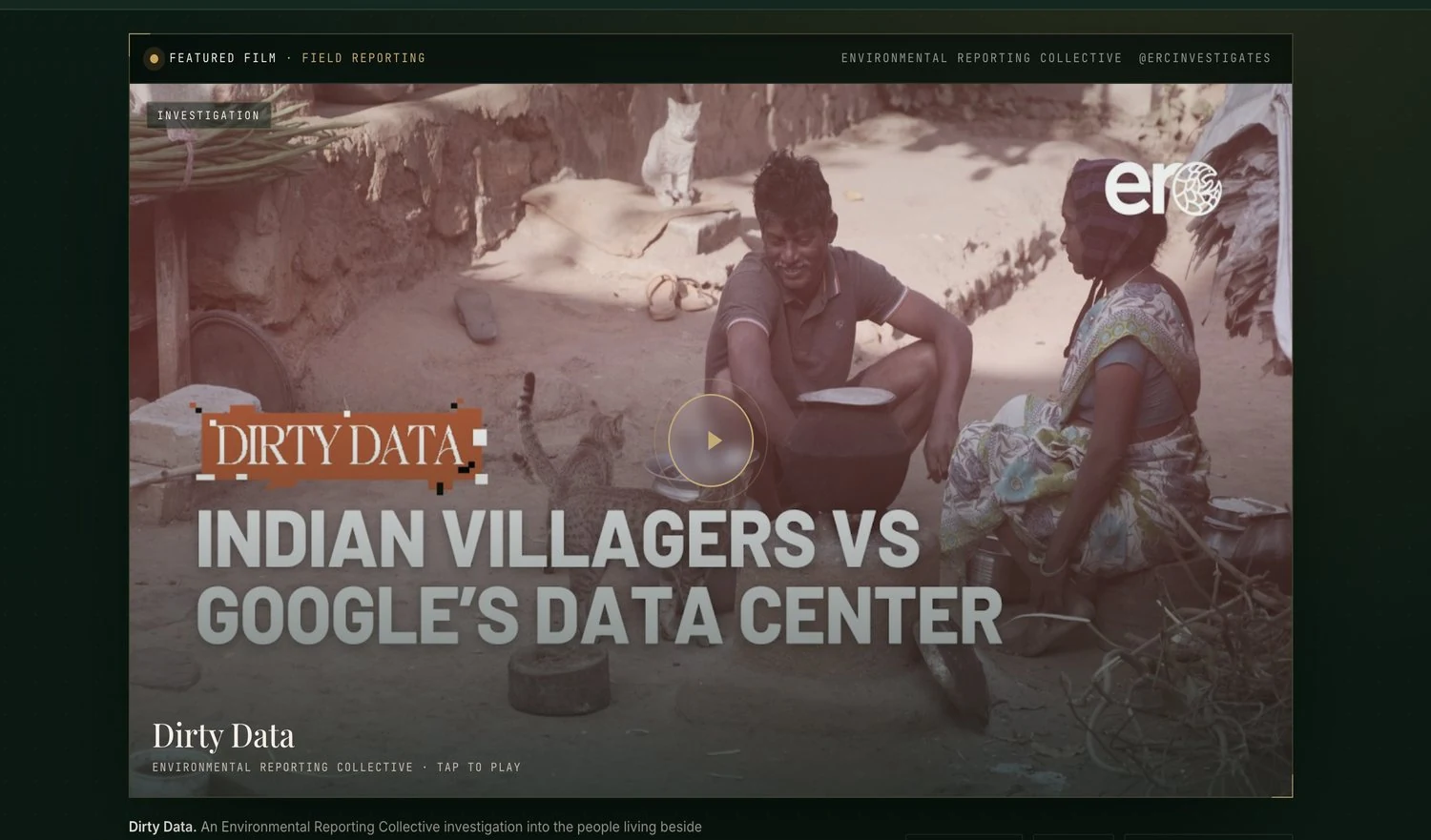 The exposure · field film
The story on the ground.Featured field reporting, embedded and credited.Open
The lookahead · scenarios
Today, and what comes next.The projection fades to the installed reality.Open
The exposure · field film
The story on the ground.Featured field reporting, embedded and credited.Open
The lookahead · scenarios
Today, and what comes next.The projection fades to the installed reality.Open
Slow scroll · hover to pause
The Next Read
Everything published so far, and everything still to come, in one place. New interviews and markets land here across the six months after launch.
The Infrastructure Prime Minister
Andy Burnham reaches Number 10 having spent a decade making digital infrastructure a question of where it lands, and for whom – and the 2029 race that decides what he can build.
Read the studyLosing the Room
Winning the argument, losing the room: how clip farms made data centres the internet’s favourite villain, and why being right stopped being enough.
Read the studyThe Wrong Numbers
The argument about data centres is being fought with figures that do not survive contact with the engineering. Four load-bearing claims, checked against the record.
Read the studyThe Continuum
From the AI PC on the desk to the hyperscale floor: how enterprise compute is stratifying, and why the value is moving to the seams between the tiers.
Read the analysisThe Memory Supercycle
How the data centre’s hunger for memory is repricing every device you own, the cascade from a server hall to your checkout.
Read the analysisThe Talent Crunch
The first Sociogencia case reads the people who gate the AI build: three hiring races run at once, where the squeeze is worst, and a playbook for operators, capital and vendors.
Open the studyThe Body Electric
2036. Six machines work a shift. Each one is three computers, and the ground beneath them has to carry the load. Read it, or play it.
Read the studyThe Compute Vote
Brazil votes on 4 October and the AI build is on the ballot. ReDATA cleared the Senate on 1 September, and the clean-power condition came off in the drafting.
Read the study
Mind the Gap
Complete is a construction status. Proven is an assurance status. The Group CEO of GCV Group on lifecycle assurance, the seams where risk accumulates, and the commissioning crunch coming for the build.
Read the analysisStrata
Seven cross-cutting layers that read the whole build at once: conditions, comparison, the survey, equilibrium, landfall, capital and the conclusion.
Enter StrataOn the horizon
Across roughly six months from launch the report keeps growing – new market chapters, Sociogencia studies, the interview series and shorter field notes, each added the moment it is confirmed.
Updating, in public.
Everything here is added the moment it is confirmed, across roughly six months from launch.