record
Capital is abundant and demand is contracted years ahead, yet grid-connection queues now run seven to ten years against a roughly two-year build. Power, not capital, is the binding constraint.
Europe is not a next hotspot; it is an incumbent that has hit a wall. The four core markets – Frankfurt, London, Amsterdam, Paris, plus Dublin – doubled to about 3.6 GW of live capacity since 2019, vacancy has fallen to a record-low 6.3%, and roughly 83% of the pipeline is pre-let before it is built. The scarce input is no longer money. It is megawatts.
The grid is the gate. Connection queues in the core hubs now run seven to ten years, against a build that takes around two; Italy drew 30 GW of connection requests by end-2024, and in March 2026 Denmark’s system operator paused new connections amid roughly 60 GW of requests it calls a “fantasy queue.” Where power is scarce, price follows: CBRE expects core-market pricing up about 12% in 2026, and a powered-land plot in a primary market trades at up to 1.7 times a secondary one.
Ireland is the bellwether. Data centres reached 22% of national electricity in 2024, around half of it in Greater Dublin, and in December 2025 the regulator ended the Dublin moratorium – but only for sites that bring their own dispatchable generation and back it with additional Irish renewables. That is the European template forming in real time: you may build, if you can power yourself and prove it does not crowd out everyone else.
Over the build sits a thickening rulebook – EU energy-efficiency reporting, Germany’s EnEfG, water fights in Spain, a sovereignty push against roughly 70% US cloud share – and a wave of capital and technology answering it. Five instruments read Europe: The Regulatory File, the rules that decide the decade, compiled with our legal partner; The Document, a primary source annotated line by line; The Brief, the liquid-cooling hardware now gating density, mapped to its supply chain with our technical partner; Finance, the global deal tracker and Europe’s operators; and The Map, where the megawatts actually sit. Every modelled figure is tagged, and every projection is framed as such.


The grid has to energise capacity faster than demand piles onto it, which means connection reform, faster substations and operators bringing firm power rather than waiting in the queue. The social licence has to hold, which means water, heat reuse and community benefit are designed in rather than fought over after the fact. And the rulebook has to converge rather than fragment, so that a developer is not solving Ireland, Germany, the Netherlands and Spain as five separate countries. The demand is not in doubt, and the capital is not in doubt. Power, consent and a coherent rulebook are the open questions.
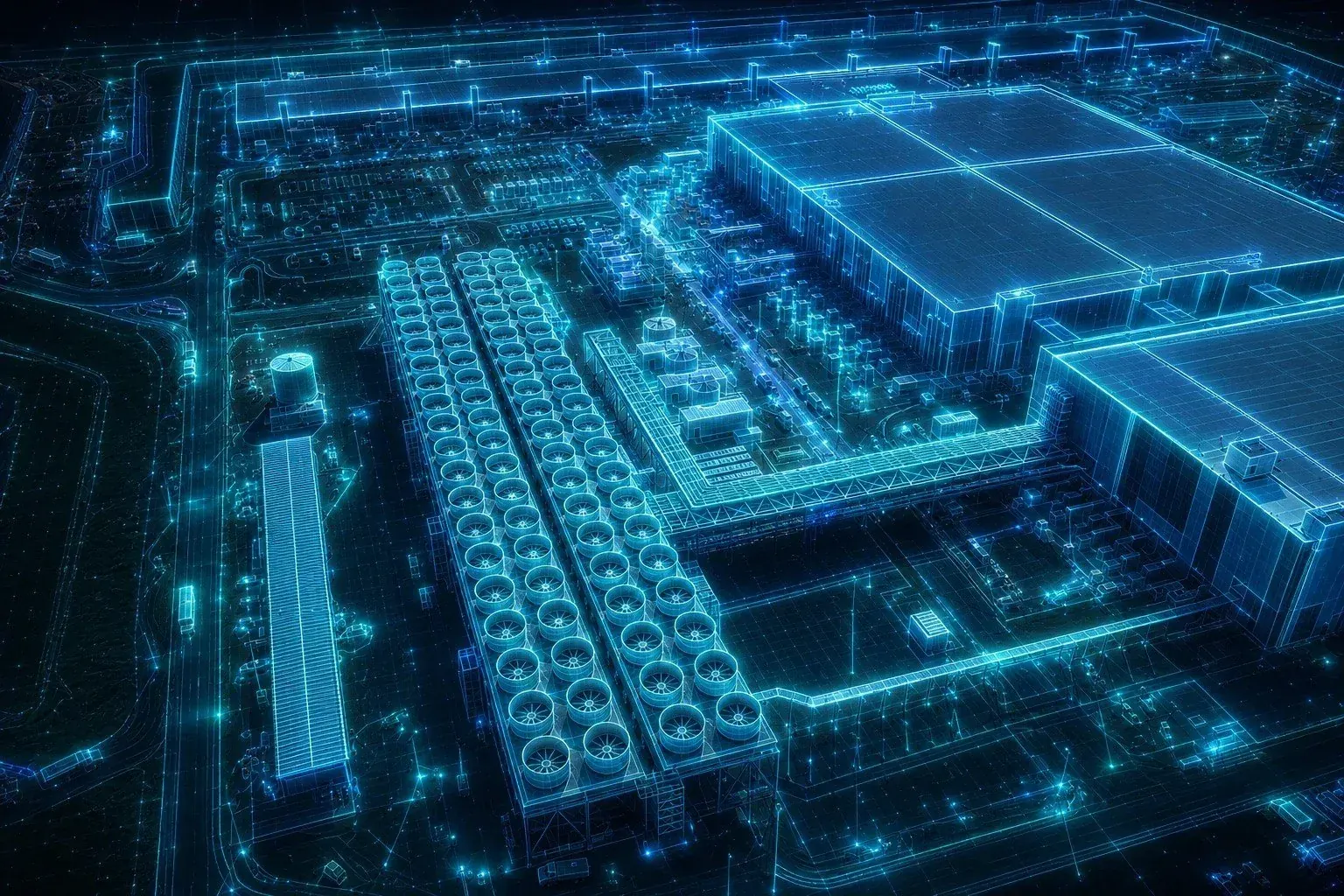
A representative aerial of a European hyperscale campus. Gold markers are plant and obligation: how the building makes cold, takes power, reuses heat and reports efficiency. Blue markers are the site and the water it draws. Element labels are Entelligencia visual inferences, to be confirmed against operator records and the image licensed before publication.
Entelligencia’s reading of Europe’s data-centre rulebook as it stands in mid-2026. The throughline: regulation has moved from disclosure to conditions of connection. Operators are no longer just asked to report efficiency; in a growing number of markets they must bring firm power, prove additionality and earn a social licence before a megawatt energises. For the capital-markets read on what that means in practice, see The Counsel, below, with Simmons & Simmons.
The chapter has shown the constraint: power, not capital. This brief, contributed by our partner Simmons & Simmons, reads what that constraint does to the deal, from how risk is allocated to how pan-European platforms are financed and why the rulebook now sits on the term sheet. Open any file for the partner’s view, each closing with what it means for capital.
Three primary sources behind the European power question, each graded claim by claim with our legal partner. Click a tab to bring a document forward, click any underlined claim to see the read, or filter by grade. These are annotated representations of each source.
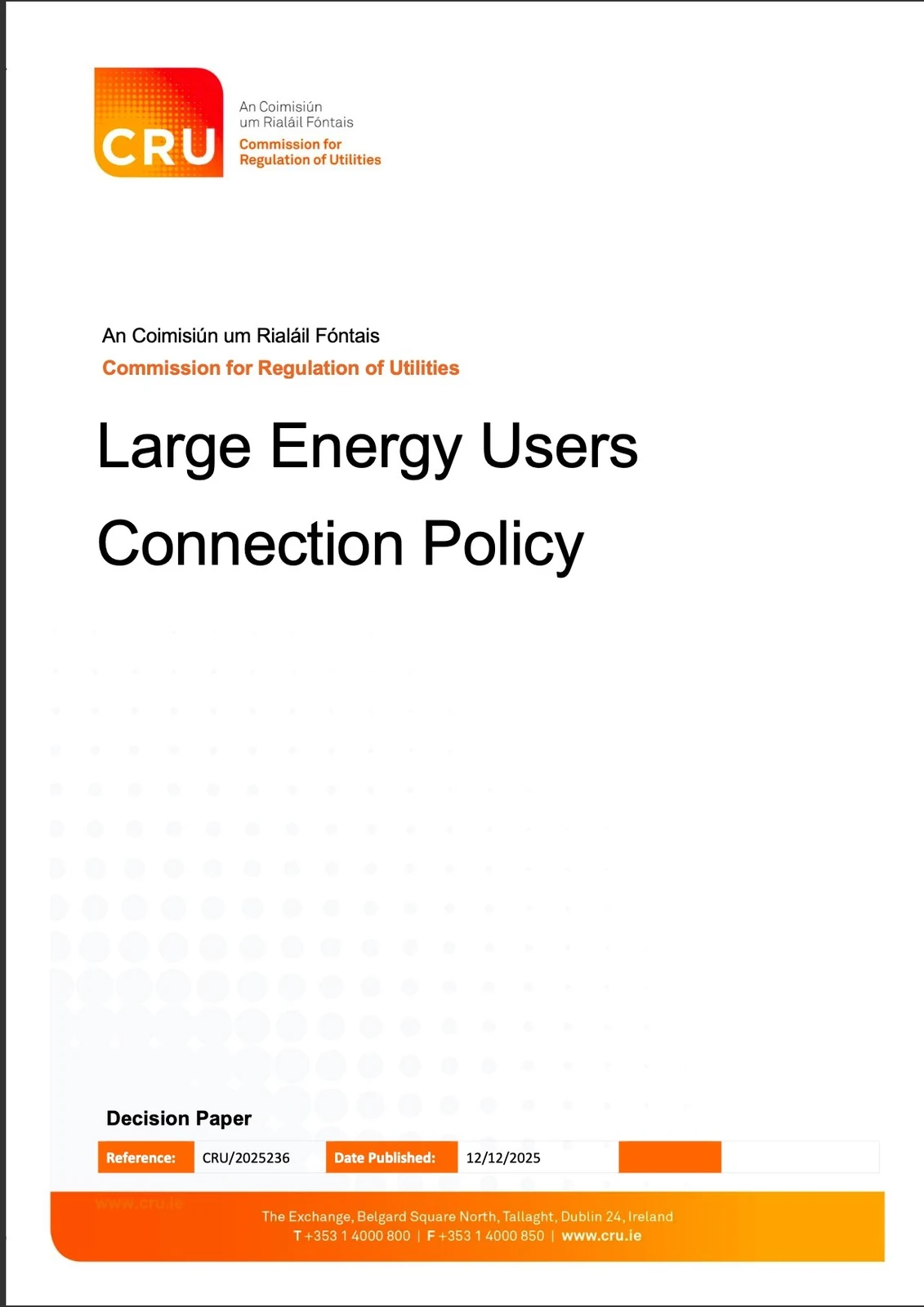
Three primary documents in the file. Click a tab to bring one forward. Suggested sources to license for production: the CRU Decision Paper CRU/2025236; Directive (EU) 2023/1791 with Delegated Regulation (EU) 2024/1364; and the EnEfG consolidated text with its 2026 draft amendment.
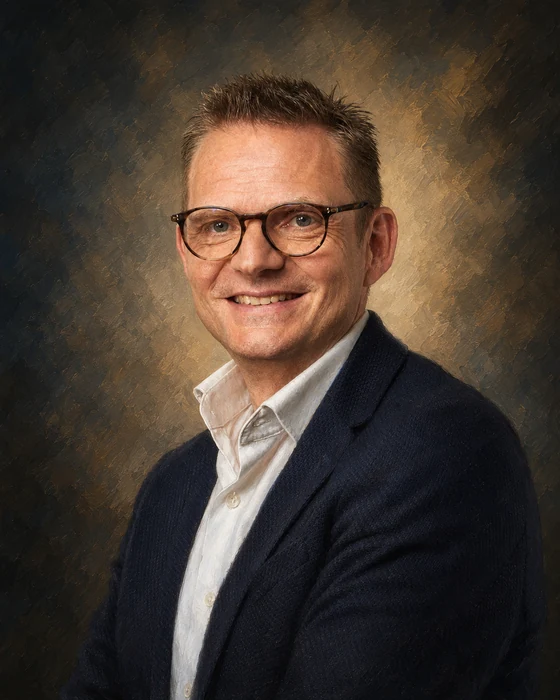
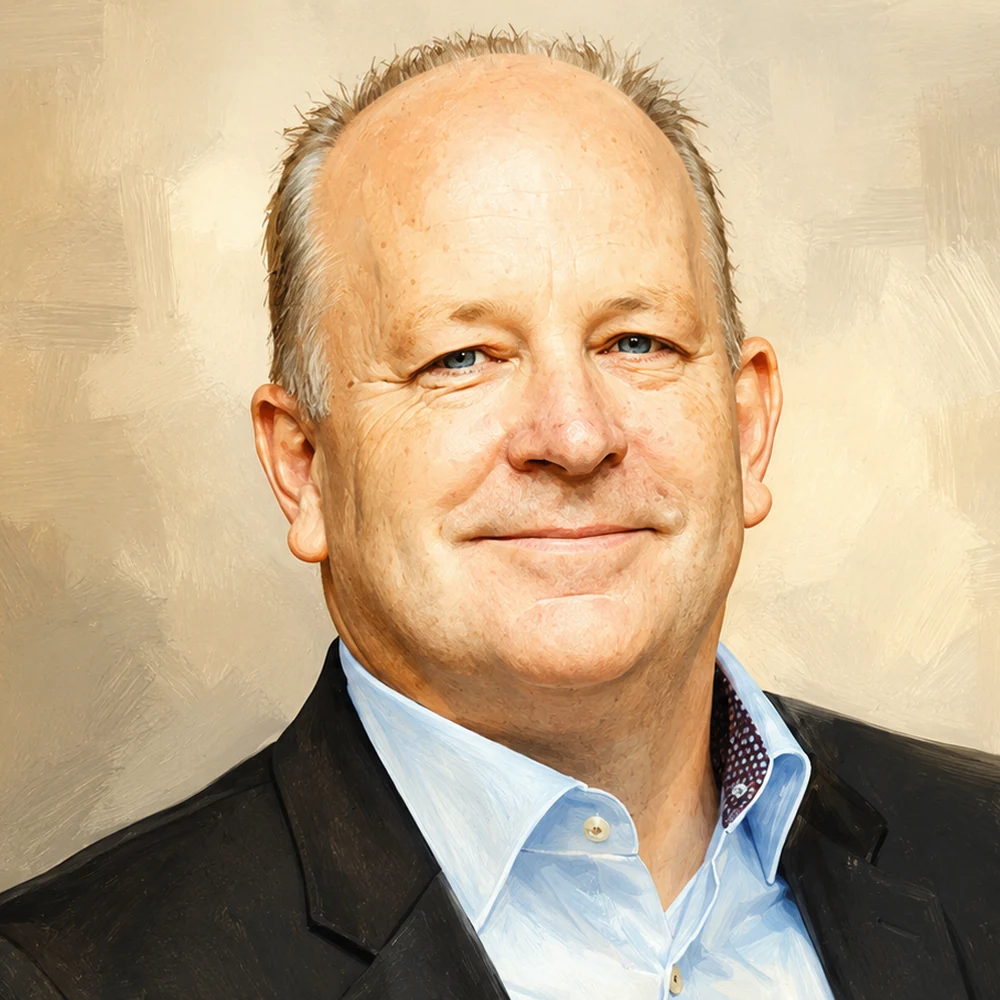
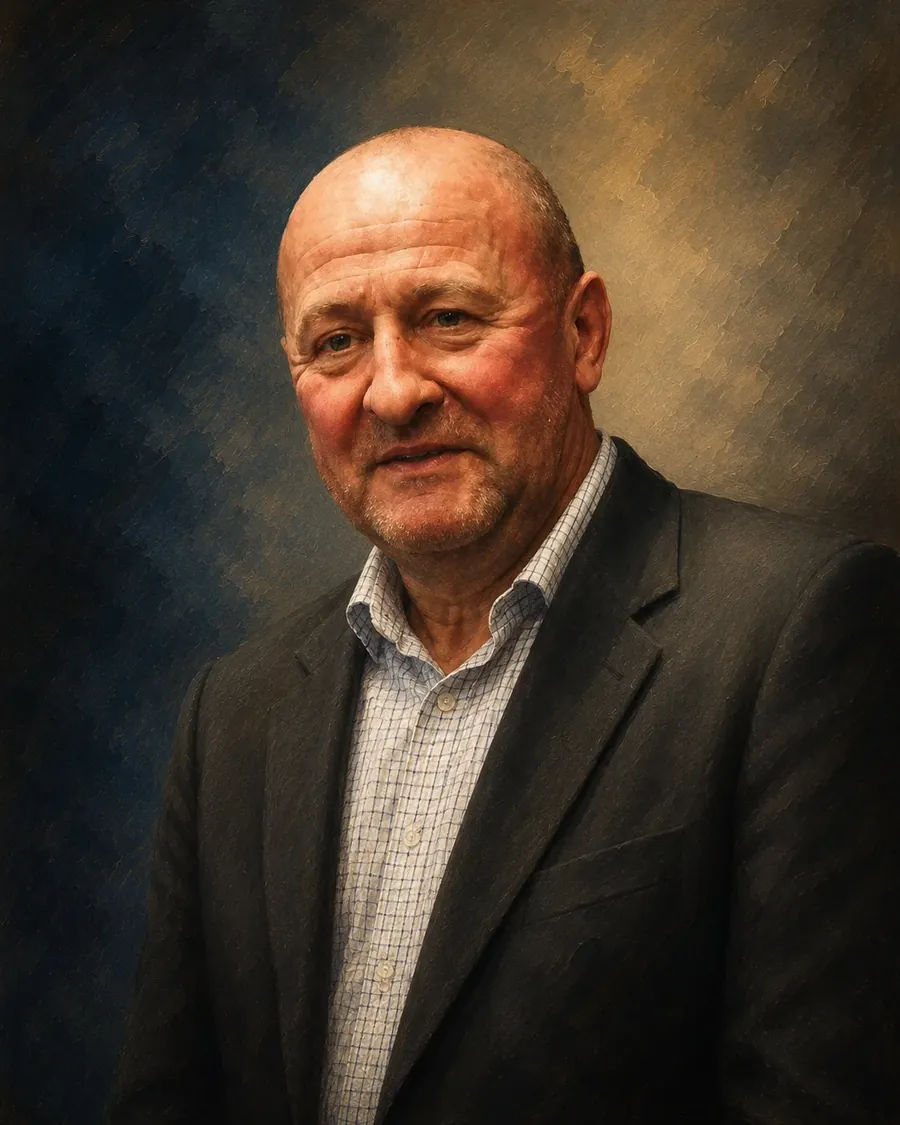
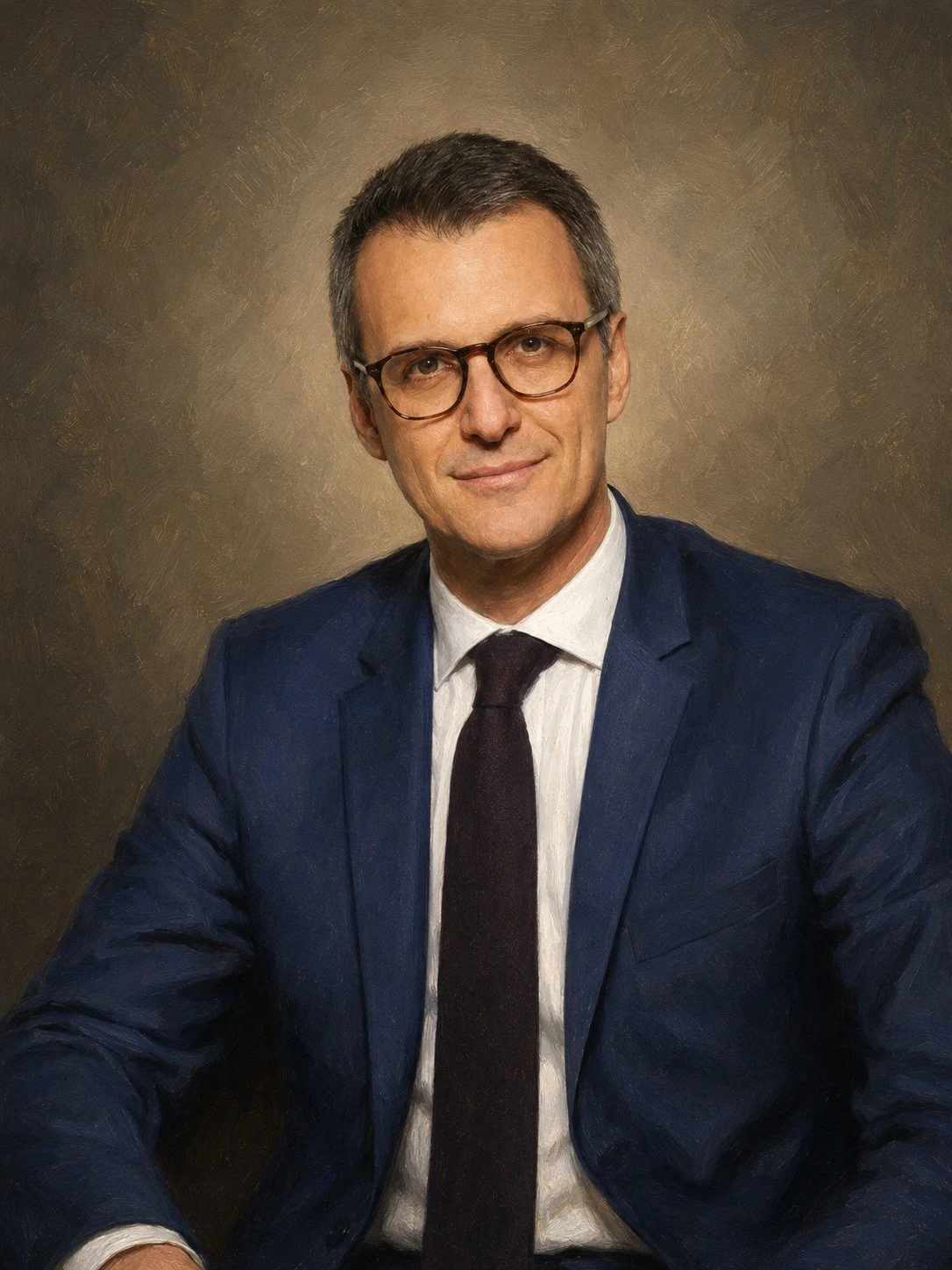
Nine voices from across the global digital-infrastructure value chain, spanning capital, the hyperscalers, silicon, sustainability and the edge. Each opens a pop-out setting out their perspective on the forces reshaping the market. Three panels, three perspectives in each. Tap any portrait to read on.
Leads KKR’s global digital-infrastructure investing from New York, with a portfolio spanning CyrusOne, Global Technical Realty, MetroNet, Hyperoptic, On Net Fibra, Pinnacle Towers and a Singtel data-centre joint venture, among others. One of the most influential capital allocators in the sector.
His core view is that generative AI is accelerating demand faster than efficiency gains can offset it. Even with more efficient models, the aggregate appetite for compute, storage and networking keeps climbing. He projects US data-centre power rising from roughly 18 GW today toward double or triple that within three to four years, against around 6 GW each in Europe and Asia.
KKR has put that thesis to work through a $50bn partnership with Energy Capital Partners to develop AI infrastructure, deliberately combining data centres with power generation and transmission rather than treating them as separate problems.
He has been blunt about inefficiency in the market, describing a great deal of stranded, inefficient capital and arguing that the opportunity is to re-evaluate the entire ecosystem from the molecule to the rack and beyond, integrating power, facilities, connectivity and capital under one roof.
His message is consistent: meeting AI demand requires scaled capital paired with deep sector expertise, and the winners will be integrated platforms that speak the combined language of power, data and AI.
Leads global digital-infrastructure fund strategies at DigitalBridge, the pure-play digital-infrastructure investor that rotates capital across data centres, fibre, towers and edge platforms at global scale. Her remit puts her at the centre of how the asset class is financed.
Her central theme is the migration of data centres from niche alternative real estate to core infrastructure, and what that reclassification does to how investors weigh risk and reward. The asset that was once a specialist play now sits in the same conversation as power and transport.
She frames the scaling challenge in stark terms: the sector is moving from capital pools measured in tens of billions toward the trillion-dollar commitments that AI-era infrastructure will require, and the structures that worked at the smaller scale do not simply extrapolate.
DigitalBridge’s pure-play positioning underpins her narrative. Rotating capital across data centres, towers, fibre and edge gives her a cross-sector read on where returns are compressing and where capex intensity is testing investor patience.
She is a strong voice for the global-funds question of who actually finances AI, and for how fund structures and return expectations are adapting to a market that needs far more capital than it has ever absorbed before.
Owns capacity for Oracle Cloud Infrastructure, running an organisation of more than eighty people and a capex envelope above $10bn spanning GPU and server hardware, data-centre management and power signalling. A direct line into how hyperscale capacity decisions actually get made.
His mandate is long-term capacity planning and deployment: forecasting and securing the GPU and server hardware that OCI needs, then landing it in regions where the power and grid can actually support it.
Power signalling sits at the heart of the role. Aligning Oracle’s cloud regions with available power and grid constraints is now as much a part of capacity planning as the hardware itself, particularly for AI-heavy regions where demand outruns supply.
The scale of the capex envelope, north of $10bn annually, makes his decisions a meaningful signal for the whole supply chain, from chip vendors to colocation partners to the utilities being asked to connect new load.
He is the natural voice for how a major cloud provider thinks about where and how to build or lease new capacity, and what it expects from operators, equipment makers and regulators to keep pace with AI.
A long hyperscaler career spanning global and EMEA operations and infrastructure strategy at Microsoft Azure, followed by senior cloud expansion and operations roles. His whole arc has been about hyperscaler geography and capacity strategy.
His domain is the question every market wants answered: how cloud providers choose new region locations, weighing latency, power availability, risk and regulation before committing to a geography.
On panels he tends to focus on the trade-off at the heart of expansion, balancing resilience, sustainability and sheer speed to market as new availability zones and regions are rolled out under intense demand pressure.
That operator-side perspective makes him valuable for understanding what hyperscalers actually need from data-centre partners, and why some markets clear the bar for a new region while others stall.
A practical note for any published use: his current platform affiliation has shifted across a hyperscaler career, so the exact employer is worth confirming at the point of quoting.
CTO at Digital Realty, responsible for technology strategy, platform architecture and ecosystem development across one of the world’s largest colocation footprints. A technical voice with a platform-strategy lens.
His central argument is that AI is not only a remote, hyperscale training story. Digital Realty’s strategy leans into AI inference workloads near city centres, close to the users and data that reasoning models increasingly serve in real time.
He sees customers wanting private, enterprise-controlled AI environments integrated with open interconnection and cloud on-ramps, rather than depending solely on public-cloud AI. The pitch is helping them understand their workloads and place the right infrastructure in the right location, while staying compliant and secure.
He is personally bullish on agentic AI and reasoning models, and on the dual effect they will have, transforming customer workloads while also driving efficiency improvements in the underlying infrastructure.
He is a strong technical and platform-strategy voice on where AI inference sits, why interconnection density is decisive, and how the major colocation platforms position themselves between the hyperscalers and the enterprise.
Leads NVIDIA’s EMEA strategy and partnerships across AI, cloud and data centres. His vantage point captures what the dominant AI-silicon supplier needs from the infrastructure being built around its hardware.
In 2025 he spoke to NVIDIA’s partnership with CoreWeave and Bulk Infrastructure on one of the largest liquid-ready AI deployments in Europe, framing it as the kind of build the next generation of GPUs demands.
His framing was pointed: NVIDIA needs partners building the latest large-scale, liquid-ready AI data centres, and specialist AI clouds deploying leading infrastructure, to meet customer demand. The hardware roadmap is only as useful as the facilities able to host it.
That project illustrates a broader strategy, working with specialist AI clouds and Nordic operators to secure the power, cooling and density that next-generation GPUs require, rather than assuming existing colocation will simply absorb them.
He is the natural silicon-vendor voice on what an AI-grade facility really looks like, and on why the right operator partnerships, not just the right chips, decide who can deploy at the frontier.
A veteran data-centre design and construction leader who has been a senior engineering lead at Meta and earlier ran design, procurement and construction delivery for Microsoft’s global cloud infrastructure. He now advises Fidelis New Energy on multi-gigawatt zero-carbon power projects.
He describes his focus as enabling sustainable construction and energy solutions through hyperscale designs that drive industry-wide decarbonisation, treating the build itself as a lever on emissions rather than an afterthought.
Through work with the iMasons Climate Accord, his teams have achieved around 40 per cent reductions in the embodied carbon of concrete using new materials and design choices, a meaningful figure given how much of a campus’s footprint is poured before a server is ever installed.
His current advisory work connects multi-gigawatt zero-carbon power, including hydrogen and carbon-capture projects, to the future data centres and AI campuses that will need firm clean energy at scale.
He is an ideal voice for the intersection of hyperscale construction and zero-carbon power, particularly on embodied carbon, low-carbon building methods, and integrating large-scale renewables directly with data-centre development.
At Intel she served as Chief Product Sustainability Officer and led data-centre platform strategy; in early 2025 she became Chief Sustainability Officer at HP, carrying platform-level sustainability thinking into a broader OEM role.
Her consistent argument is that sustainability must be designed into silicon and platforms from the outset rather than bolted on afterward. The decisions that shape a data centre’s energy profile are made years earlier, at the chip and platform level.
She has pushed for transparency on product-level carbon footprints and for tools that let customers tune the balance between performance and energy efficiency in data-centre CPUs and platforms, putting real levers in operators’ hands.
A core theme is aligning silicon roadmaps with emerging AI, cloud and edge workloads while still hitting aggressive corporate net-zero and circularity targets, rather than treating performance and sustainability as opposing goals.
She is an excellent voice on the link between silicon and sustainability, and increasingly on how that thinking extends from the data centre out to end-user devices through her work at HP.
Leads the OTT and edge ecosystem at HGC Global Communications, managing relationships with over-the-top players, cloud providers and partners that run on HGC’s network and edge platforms. A useful counterweight to the hyperscale-campus narrative.
His remit centres on EdgeX by HGC, an edge digital-infrastructure suite that bundles edge data centres, network, cloud connectivity and managed services to give OTTs and enterprises low-latency access points across Asia and beyond.
The strategy is about proximity. As content, gaming and interactive workloads push toward the user, the value moves to distributed infrastructure that sits close to demand rather than concentrating everything in remote mega-campuses.
His job is to grow that ecosystem through partnerships with content, gaming and cloud platforms that need distributed reach, particularly across the dense and fast-growing APAC markets.
He is a strong case study for edge and OTT-driven ecosystems, and a natural complement to any treatment of regional edge hubs and the infrastructure behind interactive and immersive workloads.
A PUE of 1.2 is not a spreadsheet target; it is a piece of hardware. To hit the efficiency the German standard and the AI chip both now demand, the heat has to leave the server in liquid, not air. Scroll each track left to right: the projection resolves into the part as it is installed today. The first three tracks take apart a direct-to-chip liquid-cooling system; the fourth follows that same device back down its supply chain, to the metals and chemicals it is made from. Figures are reported or modelled and contested where noted.
This brief takes apart a representative direct-to-chip liquid-cooling system with our technical partner. The point: the same regulation that meters efficiency upstream lands, physically, on a cold plate, a coupling and a coolant, and pulls a new supply chain of metals and chemicals into Europe’s data-centre story.
Engineering description is representative and in draft, subject to review by DCX Liquid Cooling. Renders are placeholders; license real device imagery before publication.The European efficiency rules do not just change how a hall is operated; they change what it is built from. A 1.2 PUE pulls liquid cooling into the base case, and liquid cooling pulls in copper, brazed stainless, precision couplings and a coolant whose chemistry is itself becoming a regulatory question. For an investor the discipline is to price the cooling system and its supply chain as part of the asset, not as a line item. The megawatt is only efficient once the metal and the chemistry behind the cold plate are secured.
In Europe the money is the easy part. Pension and sovereign funds, infrastructure private equity and the hyperscalers themselves are competing to own the megawatt, while a new class of neocloud borrows against GPUs. Set the operators, the archetypes and the biggest cheques side by side, and the contest reads as a single question: who can convert capital into powered capacity fastest.
Europe’s leading platforms cluster into five strategies. Open each for what the model is, who runs it, and the names on file.
Dense, carrier-neutral exchange points where networks and clouds meet. The asset is the interconnection, not the floor space, which makes these the stickiest and highest-margin sites in Europe.
Large build-to-suit campuses leased to hyperscalers and AI tenants on long contracts, increasingly designed around liquid cooling and gigawatt-scale power.
The hyperscalers building their own capacity, and increasingly their own sovereign-cloud regions, rather than leasing it. The largest single force in the market.
Operators chasing the more-than-half of AI growth heading to the Nordics, Iberia and central and eastern Europe, often on a sustainability or sovereignty pitch.
Telcos monetising estate and connectivity, and pension and sovereign capital forming purpose-built platforms to own European capacity at scale.
A live tracker of the largest data-centre and AI-infrastructure commitments. European deals are highlighted; filter to compare the European book against the global one.
| Deal | Backers | Value | Where | Year |
|---|---|---|---|---|
| Aligned Data Centers acquisitionLargest-ever DC deal; Aligned is Americas-only | AI Infrastructure Partnership (BlackRock, GIP, Microsoft, MGX; Nvidia, xAI) | USD 40bn | Global | 2025 |
| Data4 recapitalisation and build-outTriple French capacity by 2030; Cambrai mega-project | Brookfield | EUR 20bn | Europe | 2025 |
| AWS Aragon expansionThree data centres and regional expansion to 2033 | Amazon Web Services | EUR 15.7bn | Spain | 2025 |
| Northumberland campus (Cambois)Up to approx 720 MW, water-free cooling, GBP 110m local fund | Blackstone and QTS, with USS | GBP 10bn | UK | 2024 |
| CPP and Goodman European venture435 MW across Paris, Frankfurt and Amsterdam | CPP Investments and Goodman | EUR 8bn | Europe | 2025 |
| Microsoft AragonHyperscale region in north-east Spain | Microsoft | EUR 6.9bn | Spain | 2025 |
| UK Tech Prosperity DealMicrosoft USD 30bn, Nvidia GBP 11bn, Google GBP 5bn, CoreWeave GBP 1.5bn | US hyperscalers and chipmakers | GBP 31bn+ | UK | 2025 |
| GTR greenfield platformLondon, Barcelona, Zurich and Israel | KKR and Oak Hill | USD 1.9bn | Europe | 2026 |
| CoreWeave and OpenAIMulti-year capacity contract | CoreWeave | USD 22.4bn | Global | 2025 |
| Blackstone and AirTrunkPrior largest DC deal; APAC platform | Blackstone | USD 16bn | APAC | 2024 |
| CoreWeave Meta and UK buildMeta contract approx USD 14.2bn; GBP 1.5bn UK | CoreWeave | USD 14bn+ | UK / Global | 2025 |
| Nebius hyperscaler contractsMicrosoft multi-billion; Meta approx USD 3bn over five years | Nebius (Amsterdam-HQ) | USD 3bn+ | Europe | 2025 |
How the leading operators differ on archetype, footprint, AI readiness, ownership and the green pitch.
| Archetype | Footprint | AI density | Ownership | Green pitch | |
|---|---|---|---|---|---|
Equinix The anchor | Interconnection hub | FLAP-D and global | Liquid-cooling ready | Listed (REIT) | Renewable PPAs |
Digital Realty incl. Interxion | Wholesale and hub | Pan-European | High, build-to-suit | Listed (REIT) | Renewables, heat reuse |
Vantage AI campuses | Wholesale and hyperscale | Core and next-wave | Gigawatt AI | DigitalBridge-backed | Water-free designs |
DATA4 France and beyond | Regional next-wave | FR, IT, ES, PL | Scaling AI | Brookfield-owned | Circular, heat reuse |
atNorth Nordic | Regional next-wave | IS, NO, SE, DK, FI | HPC and AI | Partners-backed | Renewables, heat reuse |
OVHcloud Sovereign cloud | Cloud self-build | FR-led, European | Owned cloud | Listed (FR) | Own water cooling |
Each operator plotted by what it sells, interconnection or wholesale power, and where it builds, the primary cores or the next wave. Tap a point for the full operator file.
The horizontal axis is what the operator sells, from pure interconnection to raw wholesale power. The vertical is where it builds, from the saturated primary cores up to the next wave of Nordic, Iberian and eastern markets.
The cores are where margin sits today; the next wave is where the megawatts are easiest to add. The platforms that win own a foot in both, which is why the wholesale and regional operators are converging toward the centre.
Europe’s operators are not short of money. The hyperscalers self-build, the wholesalers pre-let four-fifths of their pipeline, the neoclouds borrow against GPUs, and pension and sovereign capital are forming twenty-year platforms to own the megawatt. What separates the winners is not the cheque but the ability to convert it into energised capacity, which is why the most valuable operators are the ones closest to firm power, heat offtake and a workable grid connection. The deal flow is real. The constraint is still the grid.
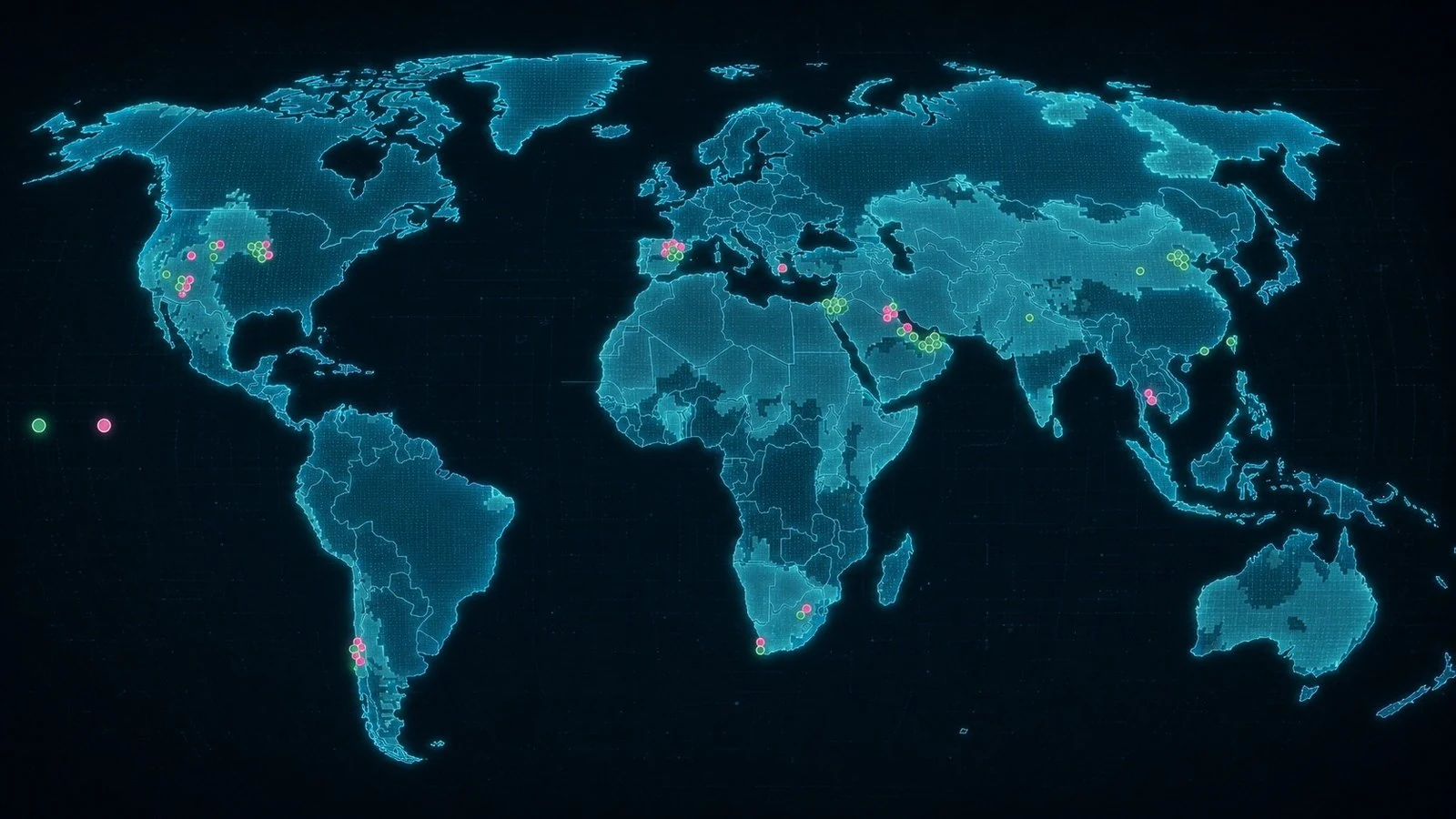
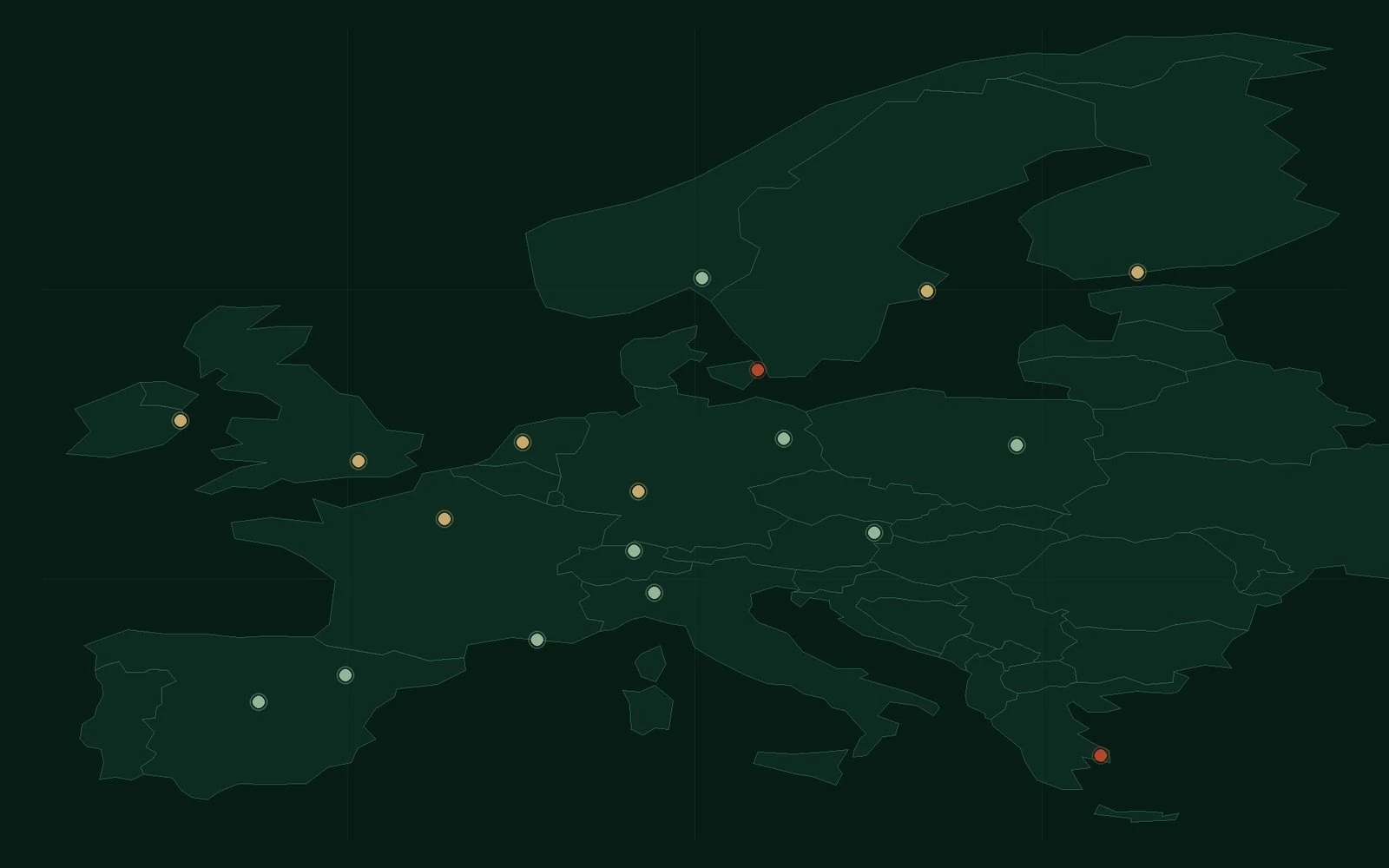
Europe’s capacity is not spread evenly; it pools where power, fibre and pre-let demand meet. The FLAP-D cores – Frankfurt, London, Amsterdam, Paris, plus Dublin – still do most of the work, while the next wave runs to the Nordics, Iberia and central and eastern Europe in search of power the cores cannot find. Each glowing node is a real cluster, colour-coded by status: verified live, announced, or contested where a grid pause or water fight is live. Select a region to read it against its binding rule, and toggle the overlays for the FLAP-D core, the grid-constrained hubs and the next-wave zones. The outline follows real European geography and every cluster sits at its true coordinates.
Each spoke is one precondition, scored 0 to 10 for like-for-like reading – indicative editorial weighting, not a published index. Select any spoke or row to read the factor.
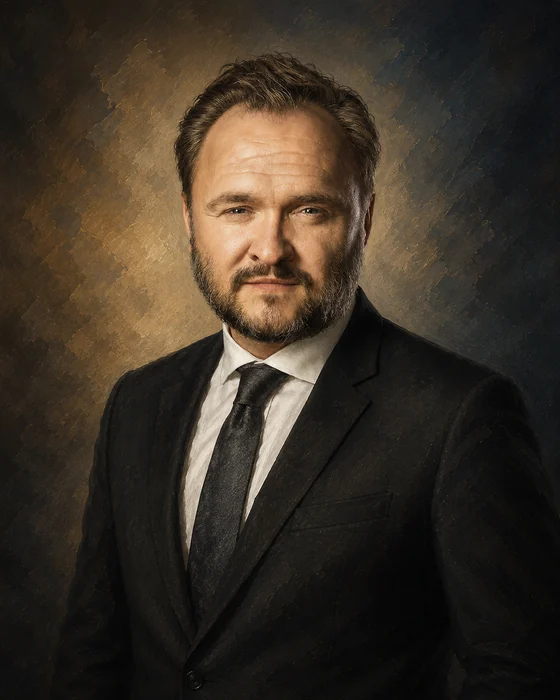
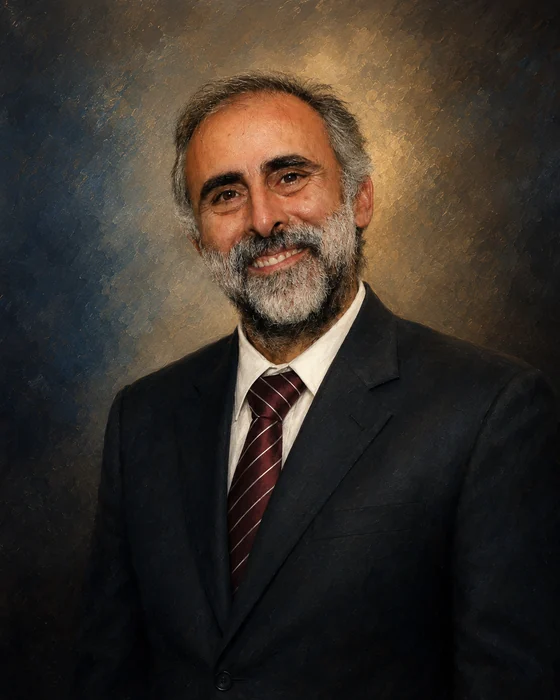
Five named figures: two who help write Europe’s energy and AI rules, and three chief executives building the capacity. Each card carries a public-record position, never an invented quote; named roles and figures should be re-verified against current institutional and company records before publication. Portraits are reference images and remain subject to licensing clearance before publication.


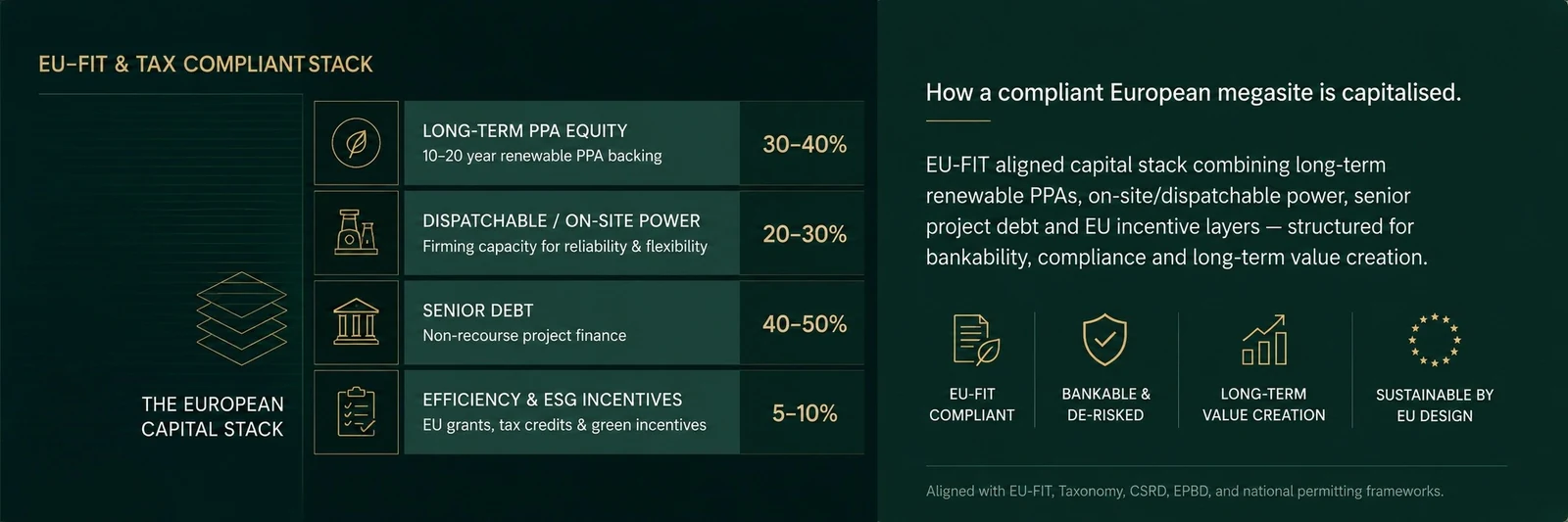
A companion report on sector-convergence opportunities: how private credit, tokenisation and innovation are reshaping the funding landscape behind Europe’s digital infrastructure.