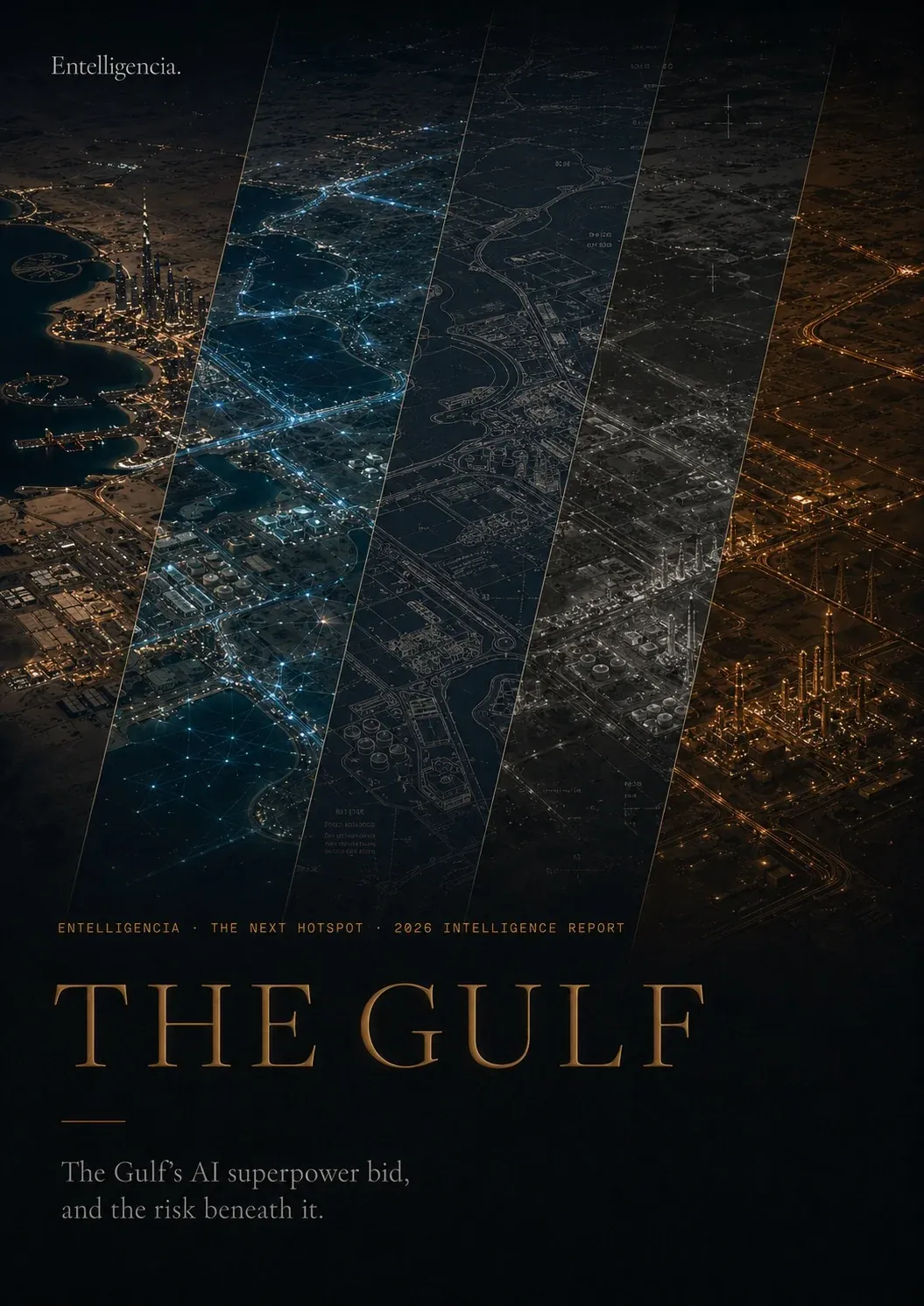
The Gulf’s AI superpower bid, and the risk beneath it.

Across the GCC, public reporting tracks more than 174 projects worth over USD 93 billion. The UAE runs the region’s most connected AI platform; Saudi Arabia is assembling its largest state-backed compute economy. Both ambitions route through one strait, one set of imported chips, and one neighbourhood at war.

UAE · Live 400MW+ Operating capacity · 2025
GCC · AI pipeline 30USD bn+ AI data centres to 2030
Risk · Hormuz 25% Of world helium at risk
Analyst overview

An AI gateway and a compute state, sharing a fault line.

The Gulf is two strategies told at once. The UAE is building the region’s most globally connected AI and cloud platform, plugged into US chips and hyperscaler capital. Saudi Arabia is building the region’s largest state-backed domestic compute economy, anchored to Vision 2030 and sovereign capital. Both treat data centres as instruments of power, not real estate.

On the UAE side, the marquee line is Stargate UAE, a 1 GW ambition with USD 8 to 10 billion of investment and roughly 200 MW targeted by 2026 to 2027, alongside Microsoft’s USD 7.9 billion UAE commitment for 2026 to 2029, delivered largely through Khazna, and a 35,000 advanced-chip authorisation for G42. On the Saudi side, HUMAIN sits at the centre of a state buildout: an AirTrunk partnership, AWS’s USD 5.3 billion region (part of an AWS commitment now above USD 10 billion in the kingdom), a USD 10 billion Google and PIF hub, and a USD 6 billion PIF data-centre programme.

Set against demand, those commitments look outsized. The data-centre market the build is meant to serve is forecast to roughly triple by 2030: Saudi Arabia from about USD 1.33 billion in 2024 to USD 3.9 billion, and the wider GCC from roughly USD 3.5 billion to USD 9.5 billion. That market revenue is a fraction of the capital pipeline above, which is the tell: the Gulf is provisioning compute ahead of its own demand, wagering on regional and export workloads it intends to capture rather than ones it already has.

What makes this chapter different from the others in the series is the risk layer. Once semiconductors enter the story, the model depends on secure shipping lanes, imported hardware and strategic materials. The Iran war has already moved that risk from abstract to physical: reported drone strikes on data centres in the UAE and Bahrain, helium and bromine exposure through the Strait of Hormuz, and renewed scrutiny of every hyperscaler commitment in the region.

Four instruments read the Gulf: The Exposure, a scenario-modelled file on what regional war does to investment and viability; a threat map of compute, bases and targets; The Brief on how Saudi megaproject ambition has been redrawn over time; and a comparison of the two national models. Every modelled figure is tagged, and every projection is framed as such.

Entelligencia desk · Middle East · chapter 01 of 10
The Exposure

The exposure beneath the boom.

ENT · GULF · EXPOSURE / 2026.06
Files · 5
Scenarios modelled · 3
Status · live, moving

Once semiconductors enter the model, the Gulf’s build depends on secure shipping lanes, imported hardware and strategic materials, all routed through the world’s most militarised water. Five files map where that exposure sits. The production desk then models it: what war does to the build, who captures the capital that flees, and how the region is hedging and de-escalating.

The directory · five files of exposure Enter any file for the full story →
Severity ticks are an Entelligencia editorial read of physical and financial exposure, not a precise index.
ENT · GULF · DESK
The production desk
Model the war against the build.

An interactive model in four layers: what conflict does to investment and viability, who captures the capital that flees the Gulf, how the region hedges and de-escalates, and the incident record behind it.

The production deskModel the war against the build.

A directional Entelligencia model, not a forecast. Pick a scenario and intensity, then read four layers: what it does to the build, who captures the diverted capital, how the region mitigates, and the incident record. Figures are ranges and directions, not precise outcomes.

Conflict intensity and durationModerate
Investment momentum
Capacity at physical risk
Insurance and financing cost
Build-timeline slippage
Expat talent retention
Scenario read
Set a scenario to model the outcome.
The model weighs the UAE’s exposure as the region’s most visible international platform against Saudi Arabia’s larger landmass and inland depth.
UAE viability index
Saudi viability index
Entelligencia scenario model (June 2026). Inputs: Reuters and CNBC reporting on Hormuz, helium and strikes; Analysis Mason GCC AI capital. Directional, re-verify at build.
of new Gulf compute commitments exposed to diversion under this scenario, on Entelligencia’s directional model. The bars show where that capital and those projects are most likely to land instead.
United Statesreshoring · chips at home
Indiascale · cost · neutral
Europe and the Nordicssafety · clean power
Singapore and MalaysiaAsian hub · Johor
Chinastate demand · constrained
Who captures the flight
When the Gulf looks risky, capital does not vanish; it relocates. The model routes diverted commitments toward markets with chip access, scale, safety or neutral positioning.
Entelligencia directional diversion model (June 2026). A judgement of relative attractiveness, not tracked flows.
Viability · unmitigated → mitigated
UAE
Saudi Arabia
Resilience score
0of 100
Resolution tracks · how the Gulf is trying to defuse it
Diplomatic de-escalation
Gulf states lean on the China-brokered 2023 Saudi–Iran restoration of ties and quieter back-channels to keep the conflict short of closing the strait.
Public position · Reuters (2023); analyst commentary
Inland and multi-country redundancy
Operators spread capacity inland and across jurisdictions, leaning on Saudi depth (Al-Kharj, Riyadh) and distributed UAE zones.
Entelligencia analysis
Supplier and route diversification
The UAE diversifies silicon beyond Nvidia and operators diversify subsea routes; resilience moves from slogan to line item.
Semafor; CNBC (2026)
Strategic materials buffers
Larger helium and spare-parts inventories aim to absorb a lane closure without halting the build.
CNBC (2026)
Toggle levers to see how mitigation lifts viability under the current scenario. The model rewards layered hedges with diminishing returns. Directional, re-verify at build.
2019Precedent
Abqaiq and Khurais struck
A drone and missile attack briefly knocked out a large share of Saudi oil output, proving energy infrastructure on this coast is a reachable target.
Source · widely reported (Reuters, EIA), 2019
2023De-escalation
Saudi–Iran rapprochement
A China-brokered restoration of diplomatic ties created a de-escalation channel the region still references when managing crises.
Source · Reuters, 2023
2024–25Escalation
Regional escalation and shipping risk
Heightened tension and attacks on shipping pushed Gulf and Red Sea risk premia higher and put insurers on alert.
Source · public reporting, 2024–2025
2026Escalation
Strikes reach the racks
Reported drone strikes damaged data centres in the UAE and Bahrain during the crisis, moving the risk from theoretical to demonstrated.
Source · CNBC, Reuters, 2026
2026Escalation
Payments disrupted
Iranian retaliatory strikes were reported to disrupt banking and payment systems in neighbouring states.
Source · reporting, 2026
2026Supply risk
Materials warning
South Korea’s chip industry flagged the crisis as a threat to helium and bromine supply routed through Hormuz.
Source · Reuters, 2026
2026Capital risk
Capital under scrutiny
Renewed scrutiny of big-tech AI investment in the region, including Microsoft’s UAE strategy and AWS’s Saudi commitments.
Source · Reuters, 2026
The threat map

The compute, the bases and the targets, on one map.

The Gulf’s data centres sit beside the world’s densest concentration of US military infrastructure, the region’s oil and gas spine, and a strait that roughly a quarter of the world’s seaborne oil moves through. Each node is a real site, colour-coded as a compute cluster, a US base or an energy target. Open one for detail; toggle the overlays for the Hormuz chokepoint, cross-Gulf strike reach and the subsea cables. Positions are approximate: a strategic schematic, not a survey.

ENT · GULF · MAP
The threat map
The compute, the bases and the targets.

Sixteen real sites plotted against the US military footprint, the energy spine and the Strait of Hormuz. Open any node, filter by country, and toggle the chokepoint, strike-reach and subsea-cable overlays.

Gulf threat map · live
ENT-GULF-MAP-2026.06 · 16 sites plotted
Region
Overlays
Hormuz chokepoint
Cross-Gulf strike reach
Subsea cables
Data centre · cluster
US military · facility
Energy · target
STRAIT OF HORMUZ · CHOKEPOINT CROSS-GULF STRIKE REACH · ILLUSTRATIVE GULF SUBSEA CORRIDOR Riyadh Dammam Jeddah Al-Kharj NEOM / Oxagon Abu Dhabi Dubai / Ajman Doha Kuwait City Al Udeid Al Dhafra NSA Bahrain Camp Arifjan Prince Sultan Abqaiq Ras Tanura
Verified
Select a site
Tap any node to open its file
Sites in view
16
Within strike reach
most
Binding constraint
Sea lanes and chips
The Brief

No megaproject survives contact with the budget.

ENT-GULF-BRIEF / 2026.06
Tracks · 4
View · summary, then the full brief

The Gulf sells the render before it builds the thing. Saudi Arabia in particular unveils world-redefining visuals, then quietly redraws them as cost and capacity bite. That gap between projection and build is the single most useful lens on any Gulf compute announcement. Scroll each track left to right: the hologram fades into what stands today. Scaled-back figures are contested and framed as reported, not settled.

NEOM and The Line
Stage 01 / 04
Drag, scroll or use the arrows · projection fades to today
The full brief · longer reads The tracks above are the summary. Open any brief for the full arc, slide by slide, with a build-reality node behind each claim.
Each brief tracks how a Gulf megaproject ambition has been redrawn over time. Figures are reported or modelled, and contested where noted.
How the pattern resolves

Read every compute announcement as a projection, not a fact.

The same instinct that produced a 170km mirrored city and a fifteen-stadium tournament now produces gigawatt AI campuses and sovereign-chip pledges. The ambition is genuine and the capital is real, but the delivery curve in the Gulf has a consistent shape: a maximal reveal, a quiet rescoping, then a smaller but still substantial build. For an investor or operator, the discipline is to separate the announced number from the financed one, exactly as the dashboard does for capacity. The render is the marketing; the megawatt is the asset.

The comparison

The Success Index: who actually wins the Gulf.

Six markets, one buildout. This is the full comparative file behind the chapter: the data-centre base, the economy, power, people, resources, institutions, the operators on the ground and the resilience to absorb a shock. Choose who to compare, then read each factor by the figures and the long view side by side.

At a glance · the index
One shape per market.

Each spoke is one of the eight dimensions, scored 0 to 10 for like-for-like comparison – indicative editorial weighting, not a published index. The bars rank the composite. Click any spoke, or a tile below, to open that factor. Toggle a market to add or remove its shape.

Compare
Keep at least two markets selected


Scored, side by side 
The detail, market by market
READ  
Scores are indicative editorial 0–10 weightings for like-for-like comparison, not a published index. Figures are compiled from World Bank, IMF, GCC data-centre portfolio reports and public reporting, 2025 to 2026, and are contested where noted. The Gulf splits into two leaders, two niche players and two smaller markets.
The comparison · Success Index
Who actually wins the Gulf.
The people

Who actually decides the Gulf’s build-out.

Five named figures across sovereign-AI champions, international capital and national policy. Each card opens to a public-record profile: the seat they hold, the institutions behind them, and where their mandate meets the compute build. Roles and figures are drawn from public company and government records.

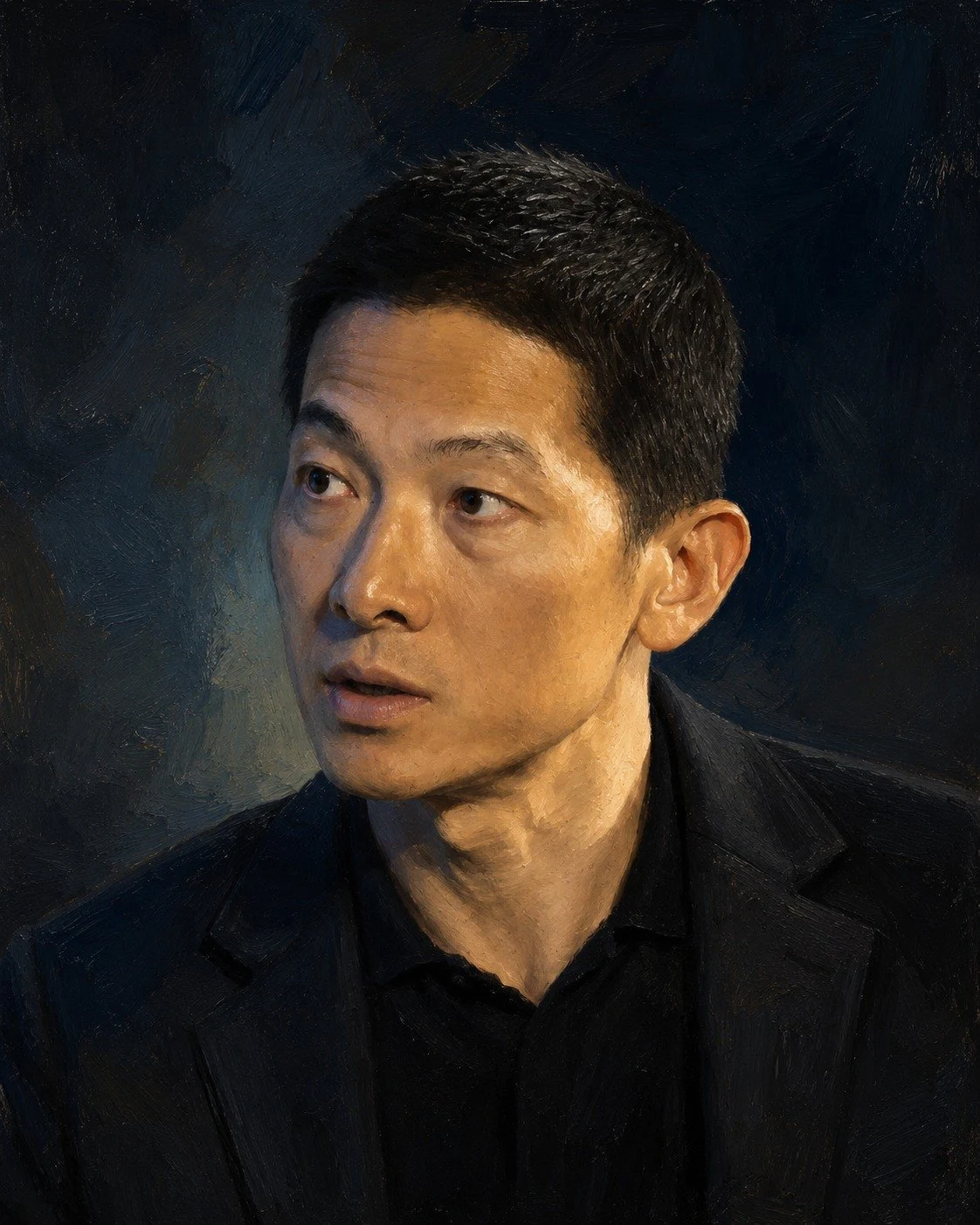
Portrait of Peng Xiao
Flip
UAE · sovereign AI
Peng Xiao
Group CEO · G42
Profile · 01 of 05
Peng Xiao
Group Chief Executive, G42
Influence
Runs Abu Dhabi’s flagship AI group, the operating core of the UAE’s sovereign-AI platform and its US chip and cloud partnerships.
Working on
Compute access and supplier diversification. Public reporting describes G42 expecting first Nvidia, AMD and Cerebras shipments and exploring suppliers beyond Nvidia for the UAE-US AI Campus.
Public position: G42 frames the UAE as a global AI hub built on advanced-chip access and international partnerships.
Paraphrase of Bloomberg and Semafor reporting · 2026
Portrait of Tareq Amin
Flip
Saudi · sovereign AI
Tareq Amin
CEO · HUMAIN
Profile · 02 of 05
Tareq Amin
Chief Executive, HUMAIN
Influence
Leads Saudi Arabia’s PIF-backed national AI champion, created in 2025 to invest across the AI value chain, including data centres, models and services.
Working on
State-scale buildout, including an AirTrunk partnership for AI data centres and a chip authorisation on the same footing as G42.
Public position: HUMAIN frames itself as the vehicle to build Saudi compute across the full AI stack under Vision 2030.
Paraphrase of Analysis Mason and HUMAIN statements · 2025 to 2026
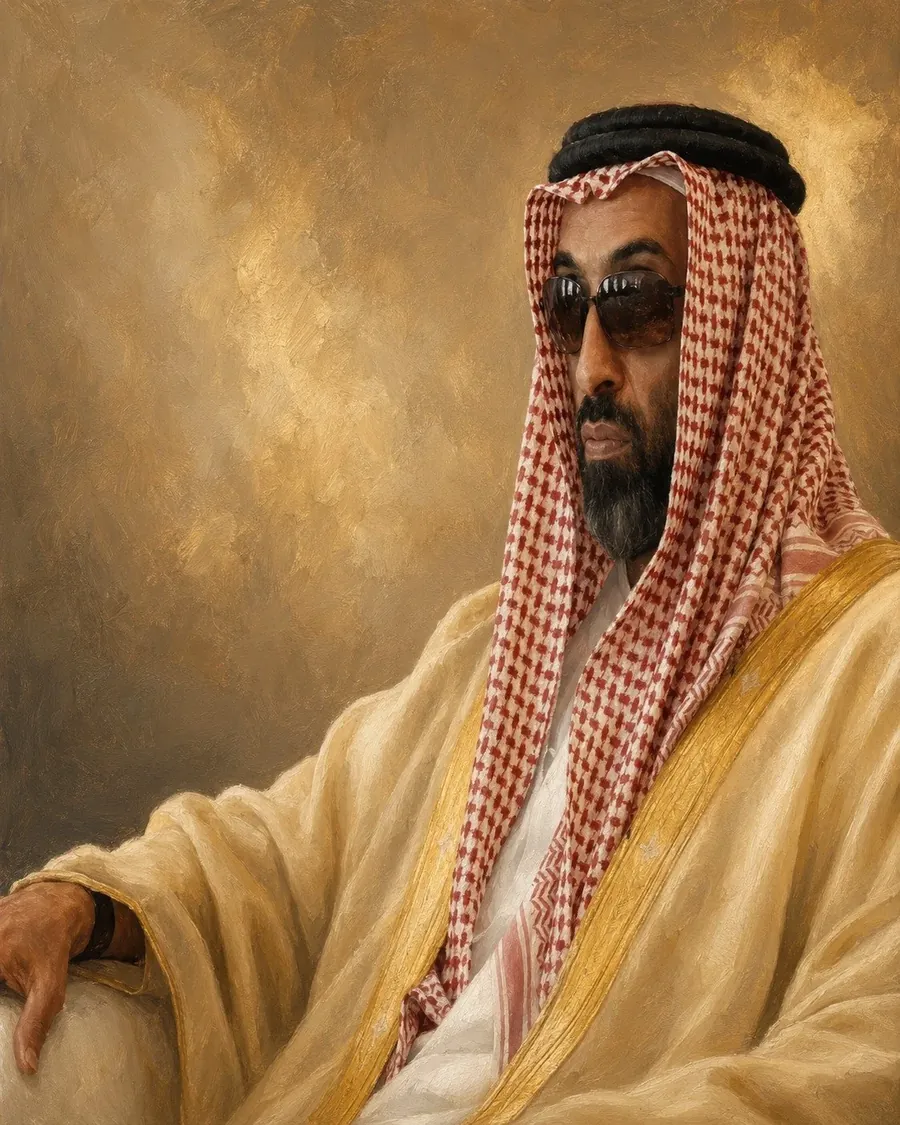
Portrait of Sheikh Tahnoon bin Zayed
Flip
UAE · capital
Sheikh Tahnoon bin Zayed
Chair · G42 and MGX
Profile · 03 of 05
Sheikh Tahnoon bin Zayed Al Nahyan
Chair of G42 and MGX; UAE National Security Adviser
Influence
Sits at the centre of Abu Dhabi’s AI and capital architecture, linking G42, MGX and Mubadala-adjacent vehicles into one sovereign platform.
Working on
MGX targets AI infrastructure, connectivity and semiconductors, including chip design and manufacturing, alongside core AI technologies.
Public position: the Abu Dhabi platform positions the UAE as a global investor across the full AI and semiconductor chain.
Paraphrase of public MGX and G42 materials · 2025 to 2026
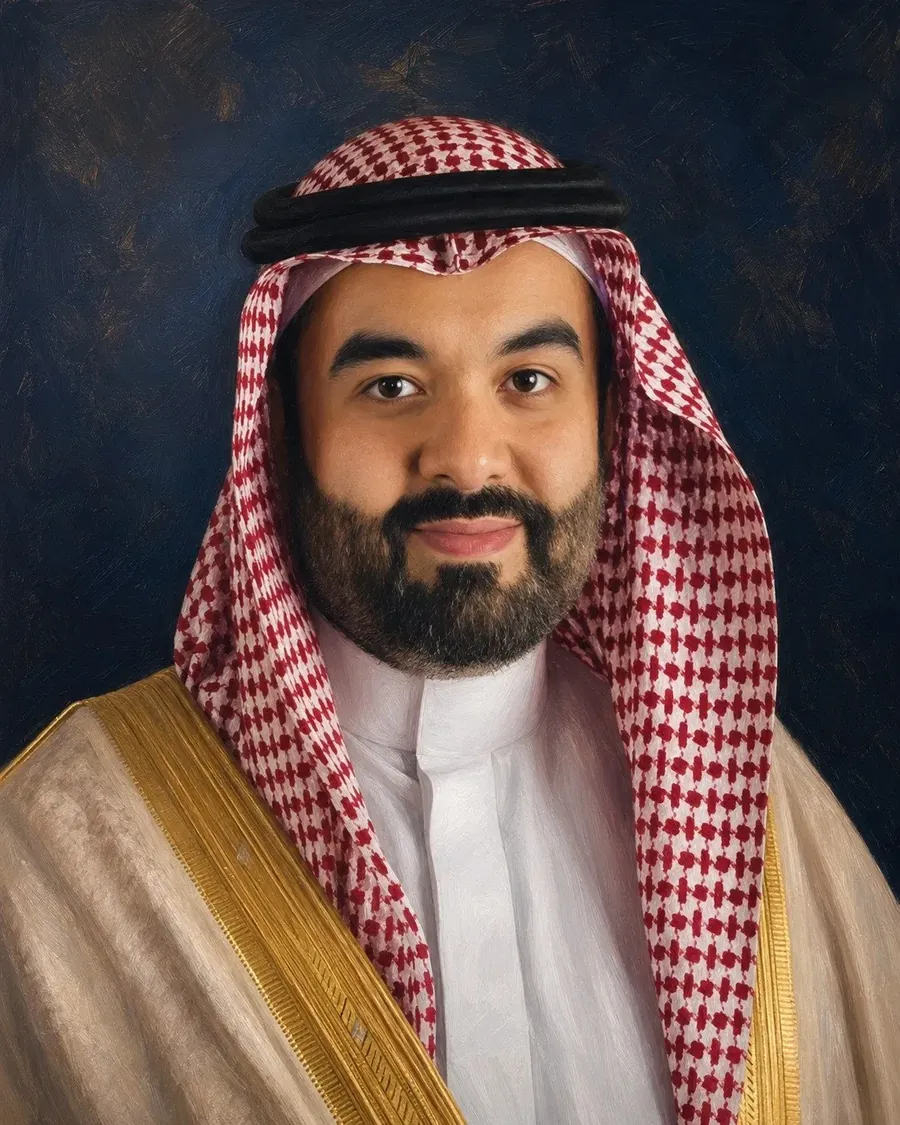
Portrait of Abdullah Alswaha
Flip
Saudi · policy
Abdullah Alswaha
Minister · Comms and IT
Profile · 04 of 05
Abdullah Alswaha
Saudi Minister of Communications and Information Technology
Influence
Senior architect of Saudi Arabia’s digital and AI policy, including the National Strategy for Data and AI that underpins the data-centre buildout.
Working on
Localisation, sovereign cloud and the semiconductor and talent agenda linking universities, design firms and domestic manufacturing.
Public position: Saudi policy frames digital infrastructure as a pillar of non-oil diversification under Vision 2030.
Paraphrase of public ministry and Vision 2030 materials · 2025 to 2026
Portrait of Omar Sultan Al Olama
Flip
UAE · policy
Omar Sultan Al Olama
Minister of State for AI
Profile · 05 of 05
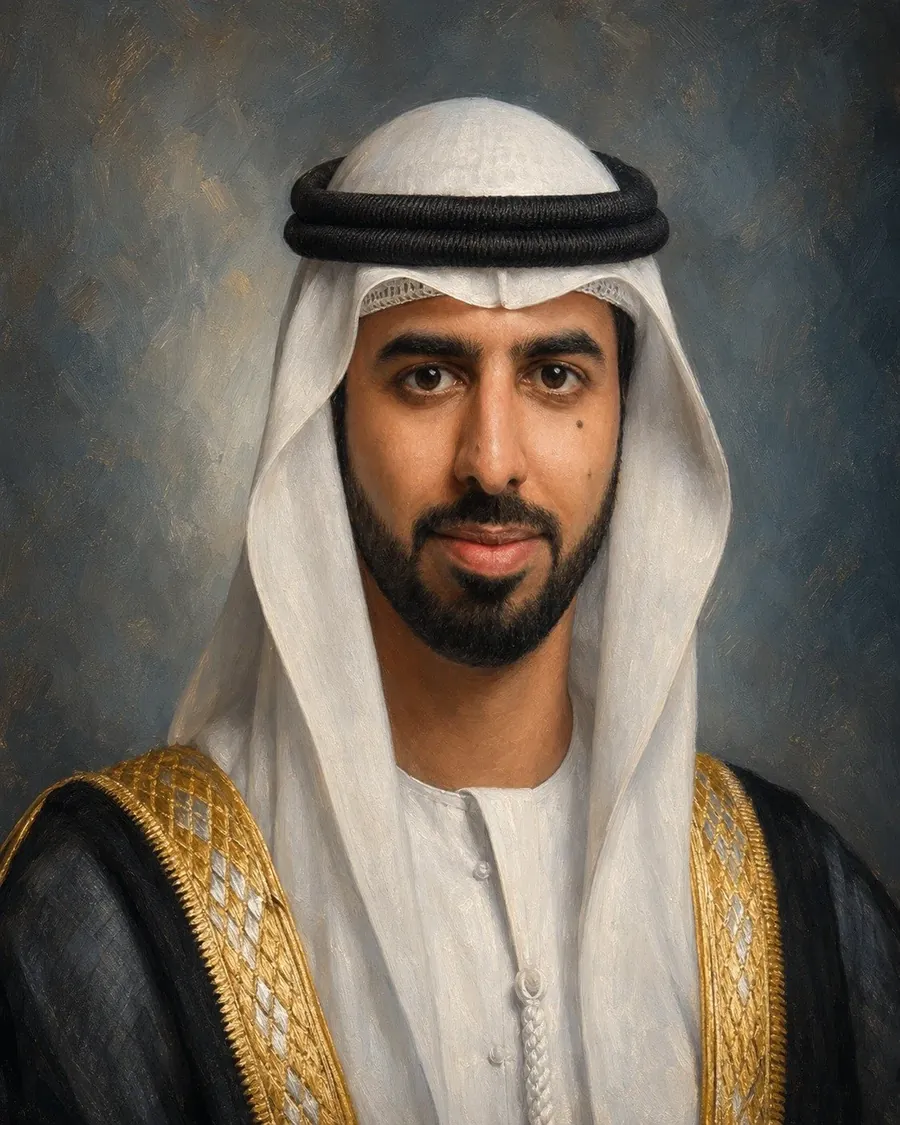
Omar Sultan Al Olama
UAE Minister of State for Artificial Intelligence
Influence
The world’s first dedicated AI minister; shapes the UAE’s AI-native government agenda and its international AI diplomacy.
Working on
Positioning the UAE as an AI-first state, from regulation and adoption to the partnerships that secure compute and chips.
Public position: the UAE frames itself as an AI-native government and a neutral, business-agile host for global AI capital.
Paraphrase of public UAE government statements · 2025 to 2026
The Panel

The people pricing the buildout.

A market is not settled on a spreadsheet. It is argued out by the financiers, bankers and platform-builders who decide where the next megawatt and the next rack land. Each seat opens to their file and a clip from the conversation. Audio here is representative; final recorded remarks, a sponsor note or a podcast segment drop into the same player.

FILE ENT-GULF-PANEL
Seats · 03
Audio · REPRESENTATIVE
[ AUDIO ] a clip plays in the file [ FILE ] remit and the question on the table Tap a seat to open the file.
The question on the table
Sovereign ambition, private capital, the global cloud. Whose read on the Gulf compounds, and whose reprices?
One seat finances it, one seat lends against it, one seat signs the leases. We put the same question to all three and let the answers sit side by side.
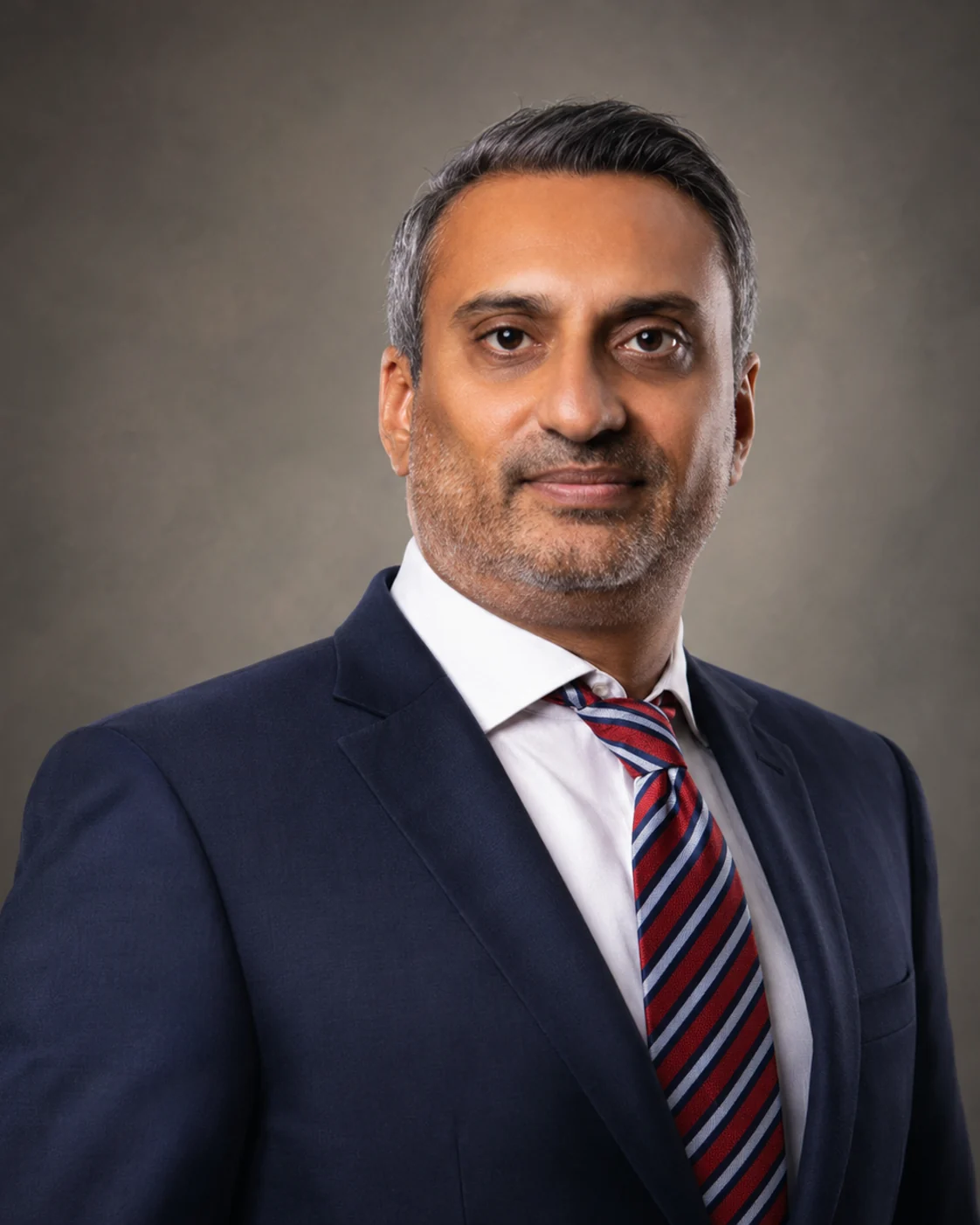
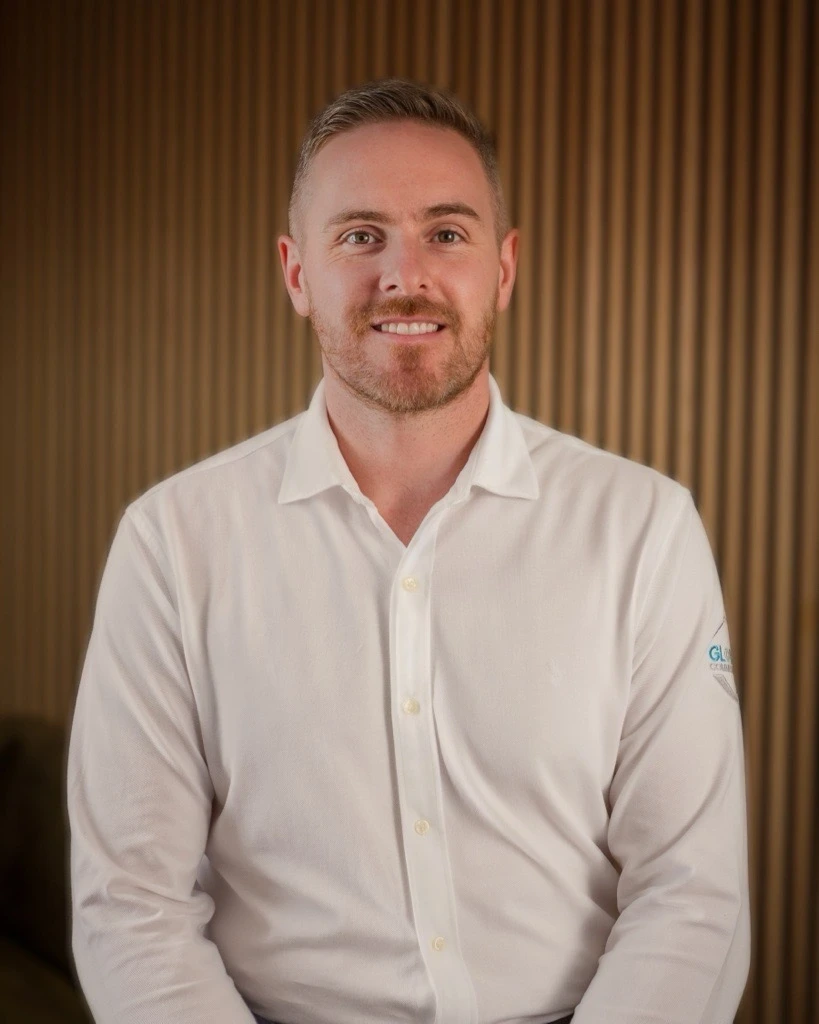
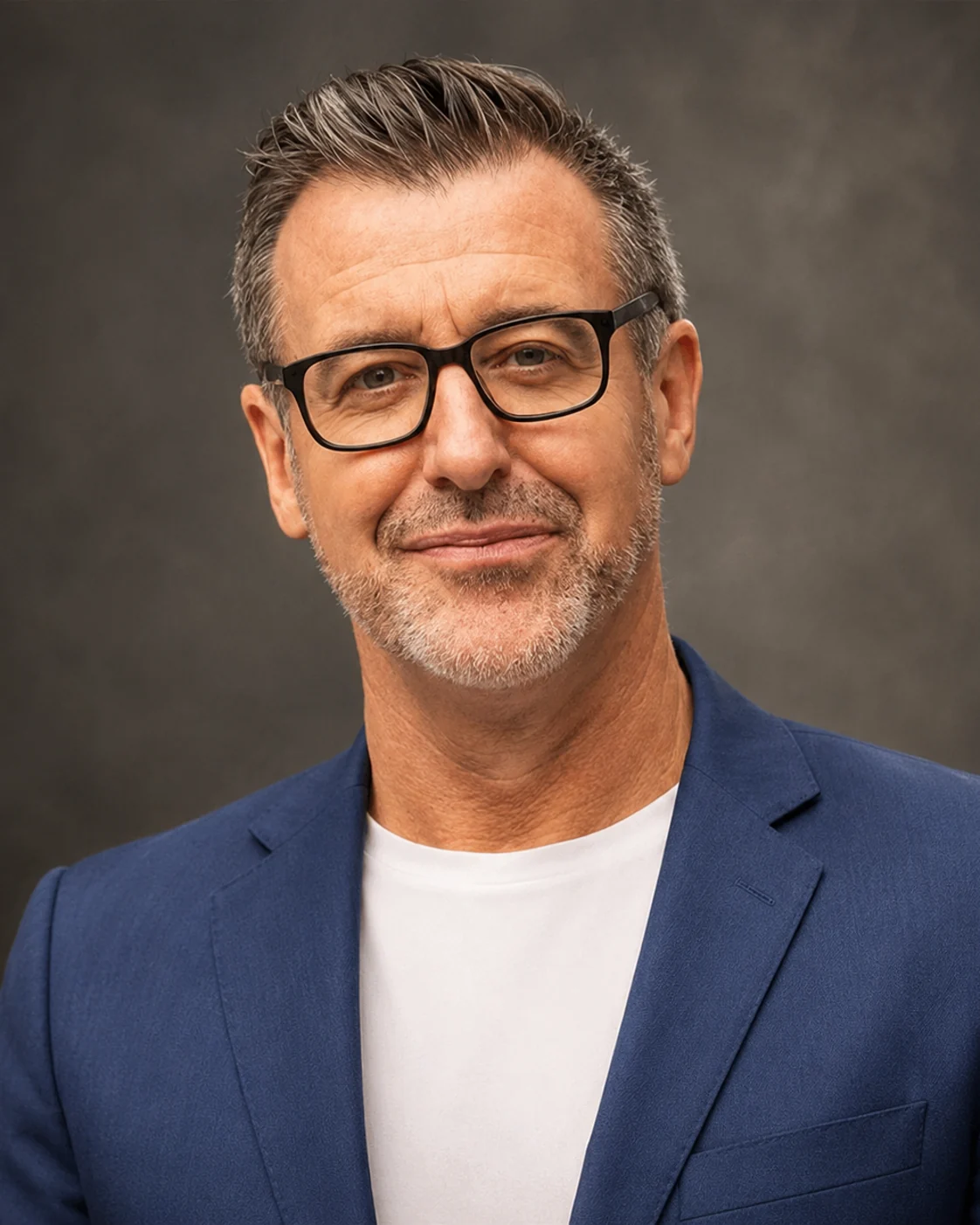
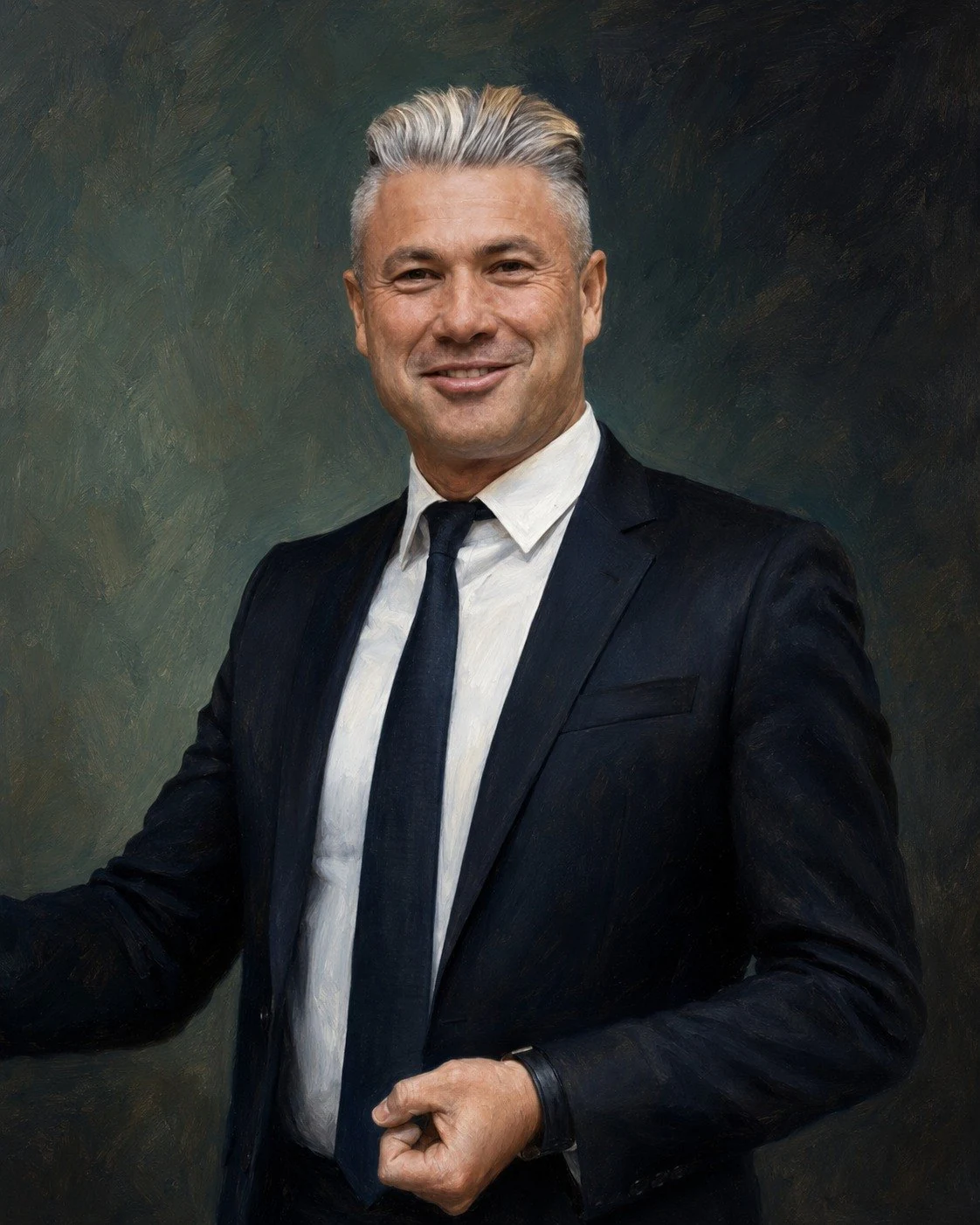
Three panelists on the Entelligencia studio set
Names and affiliations as provided. The Panel is a format demonstration: audio is a representative placeholder, not a recording of the named participants, and no remarks are attributed to them.
The supply chain

From sovereign capital to compute, who is active in the Gulf.

Gulf compute stack · interconnected
Hover a node to trace its links · click for the brief
Sovereign capital
PIFSaudi · sovereign
MubadalaUAE · sovereign
ADQAbu Dhabi · sovereign
QIAQatar · sovereign
MGXUAE · AI fund
KKRGlobal · PE
Suppliers
NVIDIAGPUs
Schneider Electricpower · cooling
Vertivpower · cooling
Huaweibuild · power
ABBelectrification
AECOMEPC · design
Power & energy
ACWA PowerIPP · renewables
DEWADubai · utility
Saudi ElectricityKSA · grid
TAQAAbu Dhabi · utility
Masdarrenewables
Operators
KhaznaUAE · platform
Gulf Data HubGCC · independent
Equinixinterconnection
G42Abu Dhabi · AI
center3STC · KSA
DataVoltNEOM · net-zero
HUMAINPIF · AI champion
Hyperscalers & demand
AWScloud · AI
Microsoft Azurecloud · AI
Google Cloudcloud · AI
Oraclecloud
OpenAIAI · UAE build
SDAIAKSA · sovereign demand
Flow

Sovereign capital sets the mandate; suppliers and the power layer gate what can actually be built; the operators raise the halls that the hyperscalers and the sovereign-AI programmes anchor. The Gulf signature is that the same funds often own the capital, the operator and the demand, so the chain is shorter and more state-directed than anywhere else in the report. The clearest exception is KKR’s more than USD 5 billion behind Gulf Data Hub: global private capital underwriting an independent operator rather than a national champion, the one tier where the chain runs on outside money instead of the state’s.

05 tiers · 30 entities

Logos will be added later and will identify the parties for evaluation only, not as an endorsement, subject to each owner’s brand-usage rights before any sponsor or commercial use. Power and supplier names are indicative of the categories active across the GCC. Connections are Entelligencia’s reading of public deal and partnership announcements, to be confirmed before publication.

Voices of the industry

[Placeholder] What the people building it say.

Three industry voices on the supply chain, each opening a pop-out that can carry a voice clip, an interview, an opinion with exhibits, or a simple quote. Placeholder cards for now; real names, photos and content to follow.

Voice clip
[Name to come]
[Role] · [Organisation]

[Placeholder] A short standfirst on what this voice adds to the supply-chain picture.

Listen
Interview
[Name to come]
[Role] · [Organisation]

[Placeholder] A short standfirst on what this voice adds to the supply-chain picture.

Read
Opinion
[Name to come]
[Role] · [Organisation]

[Placeholder] A short standfirst on what this voice adds to the supply-chain picture.

Open

Placeholder module · voices, photos and content to be added chapter by chapter.