The three clocks inside a data center deal.
The asset can last for decades. Its customer contracts and debt may mature much sooner. Nika Silva explains what makes the American build financeable, why social license matters after closing, and how equipment risk differs from the buildings that house it. Eight files connect the contribution with researched context, diagrams and data.
Written contribution · October 2026. Questions shortened for presentation. Answers lightly edited for clarity and punctuation. Research checked 3 November 2026. Existing Entelligencia report illustrations. They do not identify a contributor’s clients or depict a named transaction unless expressly stated.
Read the complete contribution
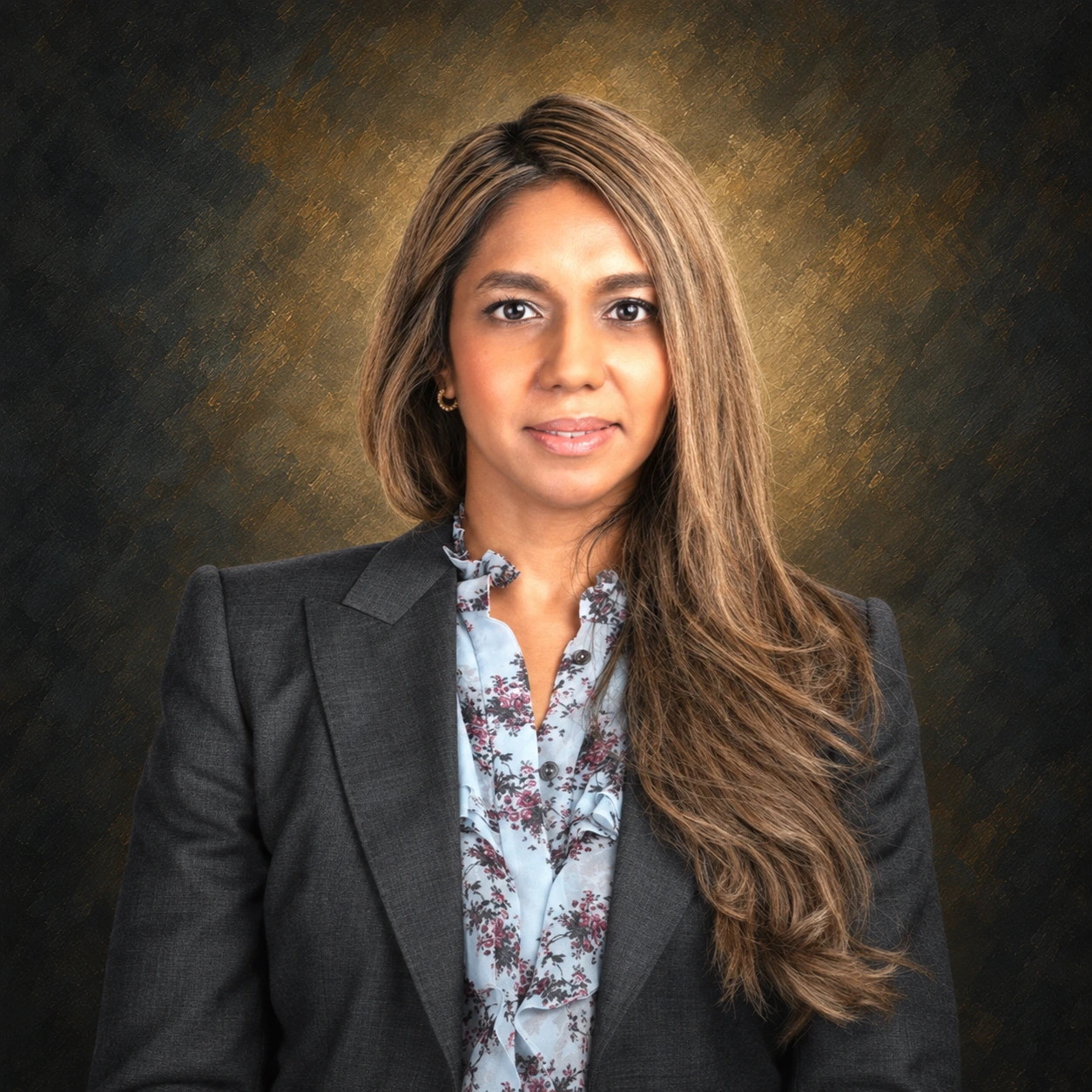
Nika Silva leads U.S. digital infrastructure finance at Hogan Lovells Cadwalader. She advises on asset-backed securitization, structured lending and private credit for data center and fintech clients, drawing on work across the United States, the Gulf, the UK and Australia.
How much announced capacity reaches financial close?
I would expect a meaningful share of credible announced capacity to reach financial close, but I would not put a precise percentage on it. Capital is available, although investors are increasingly becoming more selective. The harder question is whether a project can secure power, approvals, customers and a realistic delivery schedule. Announcing capacity is one thing - delivering a financeable asset is another.
How did you move from tax law into infrastructure finance?
Infrastructure has been the thread throughout my career, from energy and desalination to schools, hospitals, and now data centers. I have worked with these assets across different markets and legal disciplines. Advising on transactional taxes taught me to examine alternative structures, optimize outcomes and think about what could go wrong later, sometimes decades into the future. So I’ve always been interested in how a transaction can work over the life of the asset, not just at closing.
What makes a data center legally different?
Data centers sit at the intersection of real estate, infrastructure and contracted cash flows. Large facilities can be highly customized for tenants, while the technology and power requirements may change faster than the buildings themselves. Add to these the growing scrutiny of electricity, water and community impacts, and the rapid pace of technological change, and the financing question becomes broader than simply valuing the property or reviewing the lease terms.
What does the market underestimate?
The social license to build as well as operate may be underpriced. I’d pay more attention to social license as an ongoing commercial consideration, not just a hurdle to development. Community concerns about power, water and local impacts can influence permitting, expansion and ongoing operating conditions. That does not mean every operating data center faces material disruption. It means lenders and investors should consider where these risks could affect operating costs or the stability of cash flows, including after a financing closes.
What separates a bankable project from an ambitious one?
From a finance perspective, bankability starts with credible, durable cash flows and a clear allocation of the risks that could interrupt them. Contracted demand and counterparty strength is important, but so is the ability to deliver the promised capacity. I would be concerned where there is a material disconnect between the commercial commitments and the project’s ability to meet them, whether because of power availability, permitting, construction, or other constraints. A compelling growth story is not necessarily a bankable proposition.
What did working in the UAE teach you?
The UAE taught me the importance of finding common ground quickly. It’s an exceptionally international market, where people bring different cultural perspectives, professional backgrounds and ways of doing business, to the same transaction. Learning to navigate those differences, build trust and communicate clearly and effectively has been invaluable. It is also a sophisticated and highly interconnected market, where people often work together again across firms, roles and jurisdictions. Your conduct on one transaction can shape opportunities long after that deal has closed. This extends beyond the Gulf to other markets I have worked in - I’ve seen former colleagues become clients years later, in different markets and on very different transactions. Working in the UAE reinforced the importance of adaptability and investing in relationships for the long term.
How will sovereign and private capital share the Gulf buildout?
I expect sovereign capital to remain important to the Gulf’s digital infrastructure buildout, given its strategic significance and the current geopolitical climate. But sovereign and international private capital can be complementary. As projects become operational and establish more predictable cash flows, there should be opportunities for a wider range of investors and financing structures. Equally, it is also important to look beyond investment into the Gulf - regional sovereign investors and infrastructure platforms are increasingly also looking outward, and their role in financing and developing digital infrastructure internationally is likely to be just as interesting and one to watch.
Where do securitization and private credit go next?
I am particularly interested in the growth of structured financing for compute equipment, including GPUs. The risks differ from those of the data centers housing them. Equipment may have a shorter economic life, with greater exposure to technology changes and residual values. Private credit and securitization can play a role, provided repayment terms and collateral assumptions reflect those differences. Another emerging area worth watching is space-based compute, which could open up new financing opportunities while introducing a different set of technical, commercial and regulatory risks. Not everything powering the same industry carries the same risk, and appetites can also vary for what is on offer.
What should a non-lawyer understand about the structure?
It can be easy to underestimate how much the structure of a transaction and the details can influence its overall economics. Financing includes allocating risks in a way that investors and lenders can accept, including risks that might not emerge for years. The life of an asset, the duration of its contracted cash flows and the term of its financing are three different things. A data center may operate for decades, while its customer contracts and debt mature much sooner. Understanding those different timelines, and who bears the risks when circumstances change, can materially affect the availability and cost of capital.
Which risk is hardest to price going into 2027?
The pace and direction of technological change are particularly difficult to price. Technological obsolescence is a recognized risk, but it is harder to predict when new computing, power or cooling requirements or innovations might alter an asset’s economics. We cannot design for every future development or setback. We can, however, consider flexibility and risk allocation from the outset. Financing for the long term requires us to recognize that today’s technological and commercial requirements may not define tomorrow’s needs.