The conclusion

Where the next hotspot lands.

Ten markets, six constraints, one question. This is the synthesis: the ranking, three ways the next five years could break, and what each reader should do with it. There is no single next hotspot – there is a hotspot for each constraint, and a balance of them that points somewhere.

1
Ranking
3
Scenarios
4
Reader cuts
2030
Horizon
The ranking

The ten, on the balanced read.

Each market scored across power, capital, permission, connectivity, demand and delivery, equally weighted. The order changes with the lens you apply – test it on the comparison page. Click any market for the full reasoning behind its rank.

Indicative editorial weighting, drawn from the per-chapter readiness reads. Re-verify the underlying figures before publication. Re-weight on the comparison →

The long view

What the ten markets, together, are telling us.

Six readings of the field as a whole – the deeper story behind the ranking, before we turn to how it could break.

Fig. 01
Figure 01 · the field, reordered
01 / 06

The map redrew itself.

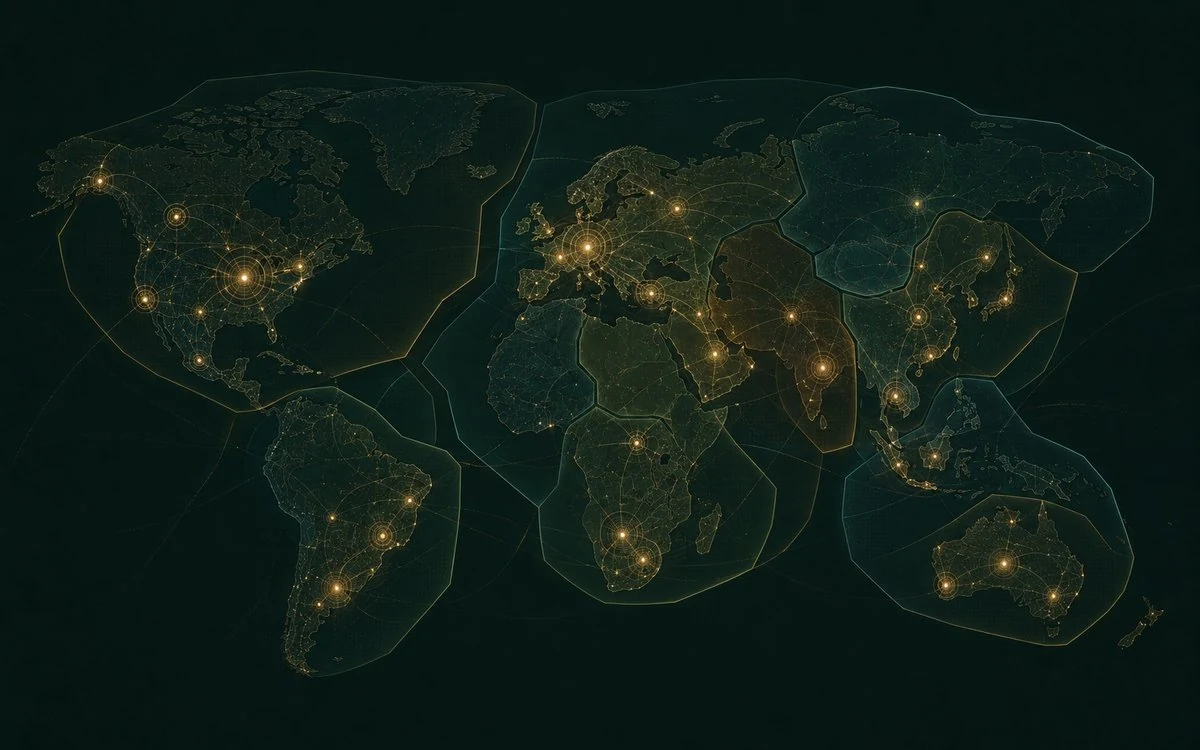
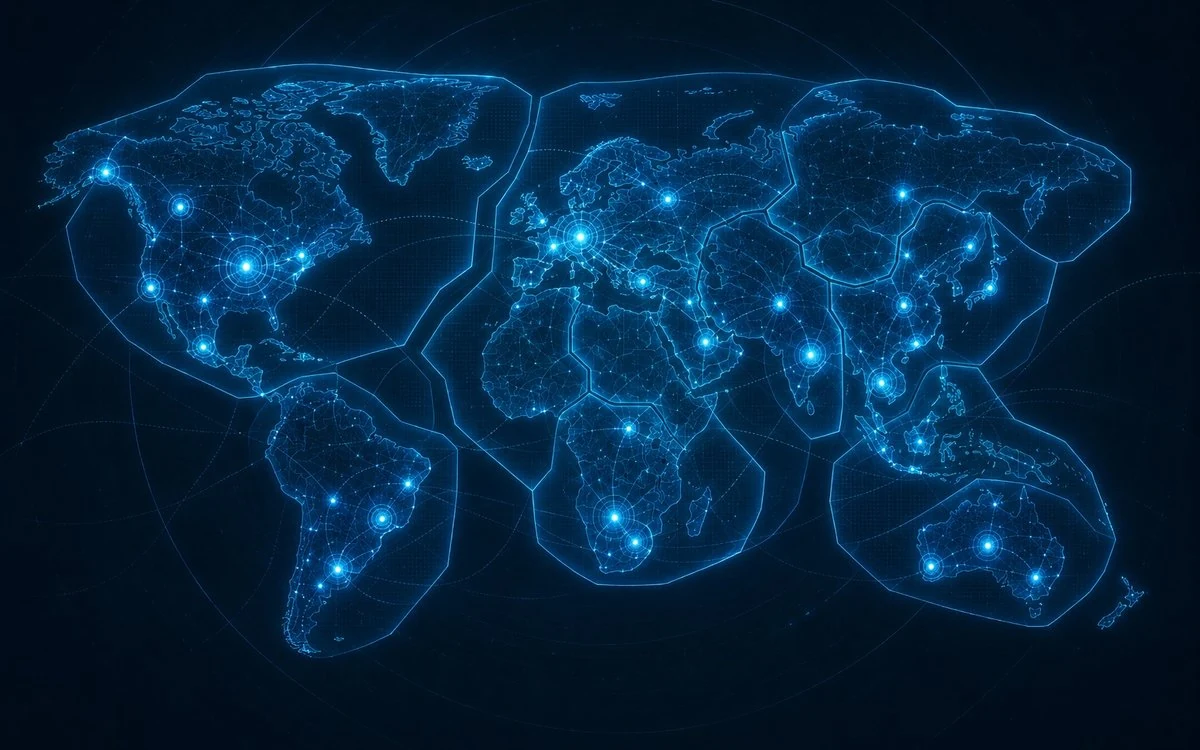
The story is not that the United States and Europe slipped; it is that the field caught up. On the balanced read the four challengers – the Gulf, Malaysia, India and Brazil – now sit between the two incumbents, and three of them clear the field’s long-assumed leaders.

The centre of gravity in the global build has moved out of the two markets that defined the first cloud era and into a wider, hungrier middle. The interesting question is no longer who leads, but how quickly the chasers convert position into capacity.
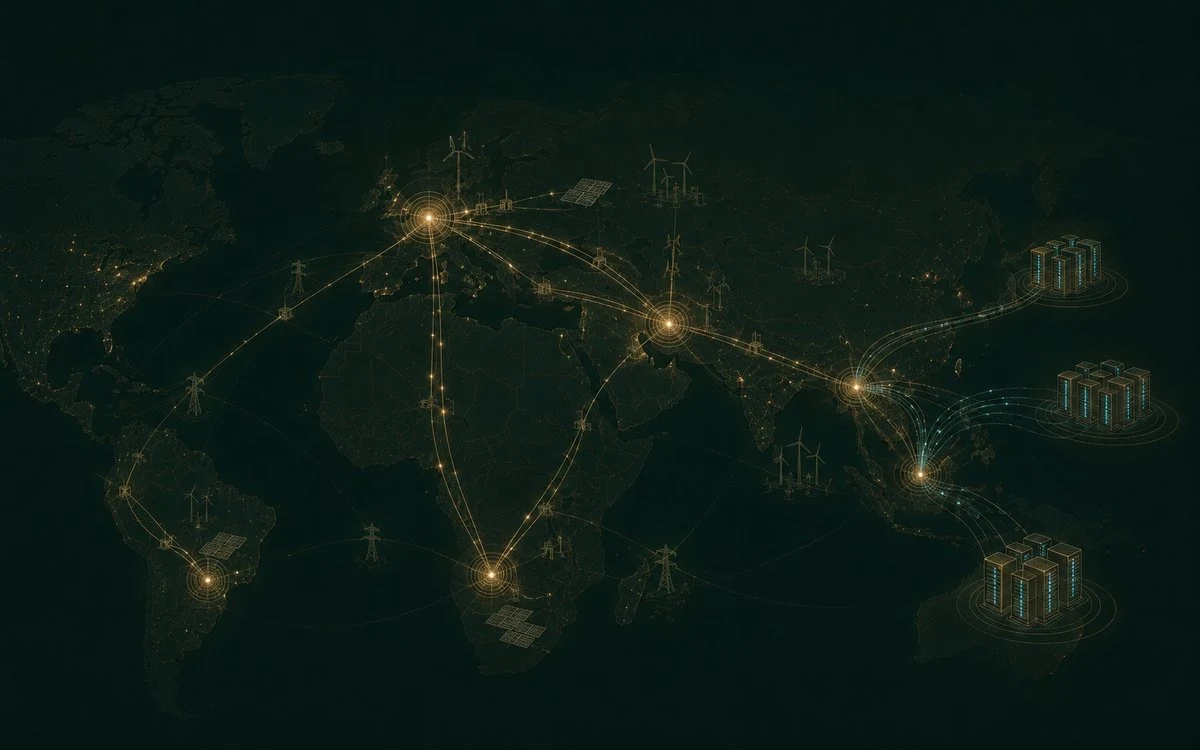
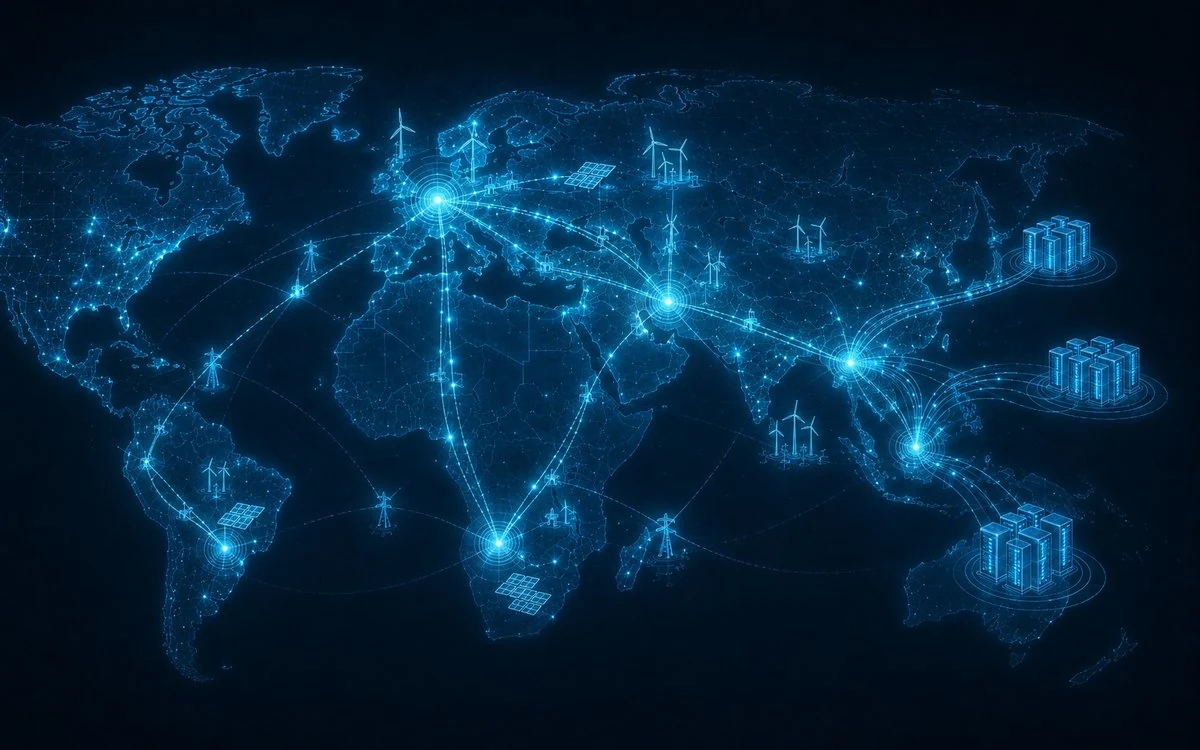
Fig. 02
Figure 02 · the binding constraint
02 / 06

Electrons, not dollars, decide it now.

Across all ten markets the constraint converged on a single input: power. Capital is mobile and chips are global, but a gigawatt of firm, low-carbon supply is neither.

Brazil owns close to the cleanest hyperscale grid on earth and is held back only by the wires. Europe has demand contracted years ahead and a seven-to-ten-year queue to connect it. The Gulf and South Africa win by making their own. Wherever the grid cannot keep pace with a two-year build, the build waits.

Fig. 03
Figure 03 · the cast that pays for it
03 / 06

Capital stopped being the scarce thing.

Sovereign wealth and infrastructure capital now flood the stack – PIF, Mubadala, MGX and ADQ writing cheques alongside Blackstone, Brookfield, KKR and DigitalBridge. Money is no longer the gate.

The scarce inputs moved downstream, to permission, power and the people who can actually run a campus. The markets that win are not the ones with the most capital but the ones that convert capital into connected megawatts fastest.

Fig. 04
Figure 04 · the stack, fragmenting
04 / 06

Sovereignty is splitting one build into many.

Data-localisation rules, chip-export controls and energy nationalism are fracturing what was a single global buildout into regional blocs. Self-sufficient, state-backed markets – the Gulf, India, Indonesia – gain ground.

Export-dependent plays that lean on someone else’s chips, capital or grid are the most exposed if the walls go up. The same names recur in every market; increasingly, they recur inside borders.

Fig. 05
Figure 05 · the race already underway
05 / 06

The window is narrow, and it is closing.

A hyperscale campus takes roughly two years to build and a decade of demand to fill. The first movers in each region are locking in the anchor tenants, the grid connections and the talent now; the followers inherit the queue.

The ranking is a snapshot of a contest already in motion, not a verdict. But the leads established this cycle will be expensive to overtake.

Fig. 06
Figure 06 · the signals that matter
06 / 06

What we will be watching.

Three signals will tell you whether the balanced read holds. How fast grid-connection queues clear in Europe and India. Whether sovereign capital stays patient when returns lag the headlines.

And which emerging markets convert a single anchor hyperscaler into a genuine cluster. Watch the electrons, the cheques, and the second tenant.

The scenarios

Three ways the next five years break.

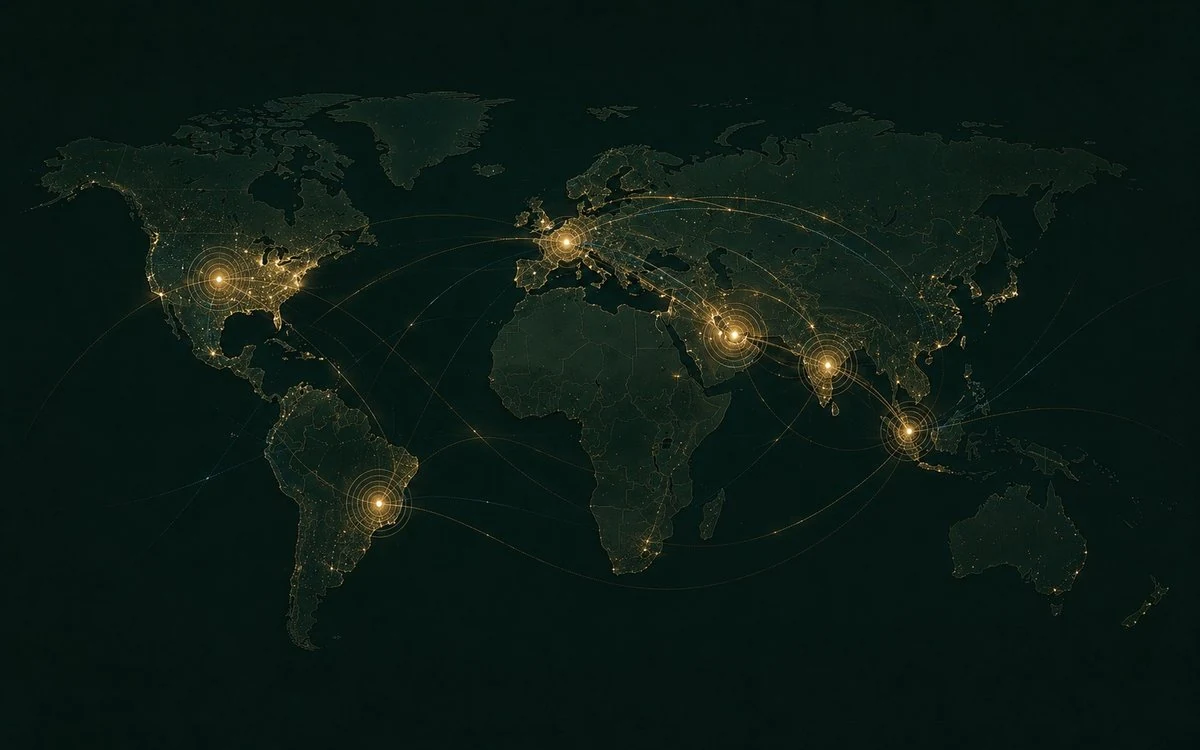
Not forecasts. Three coherent paths the build could take to 2030. Pick one and watch where the capital flows – and which markets dim. The base case is that power keeps writing the map.

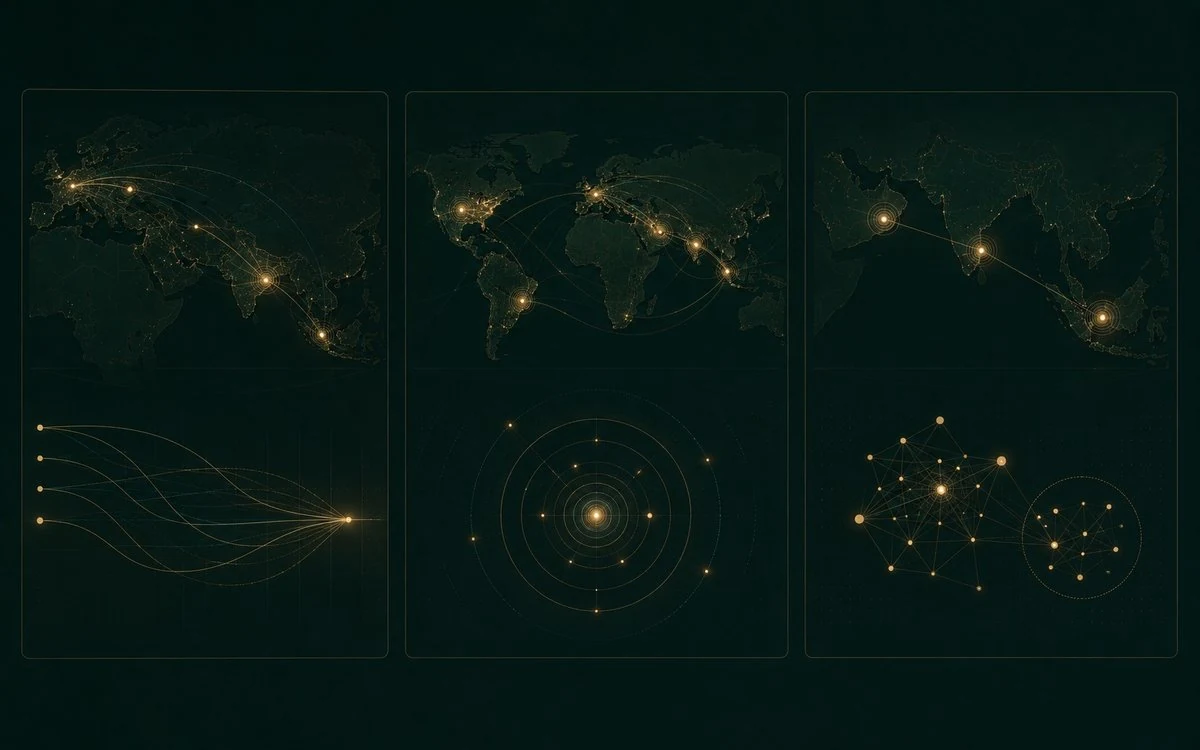
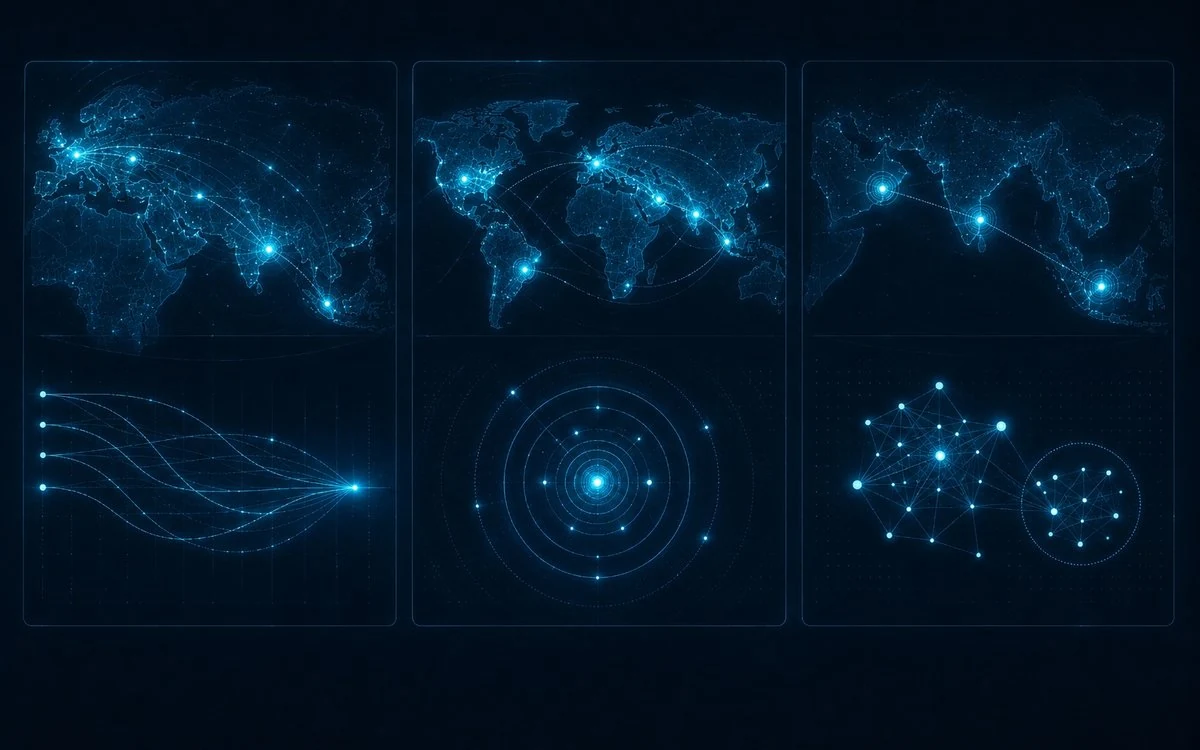
Capital flows in Holds steady Loses ground Gold lines · capital routing
Illustrative routing, not a forecast. Capital-source pools and flows are schematic.
The suppliers

The cast that builds it.

Across ten markets the same names recur: the capital, the clouds, the operators and the kit behind the global build. Sovereign-fund marks are pending; the rest are referenced across the report.

Sovereign capital
the new money entering the build
PIF
Mubadala
MGX
ADQ
Khazanah
Temasek
GIC
CPP
Investors & platforms
infrastructure capital at scale
Blackstone
Brookfield
KKR
DigitalBridge
EQT
Macquarie
Actis
Ardian
Coatue
Stonepeak
GIP
Hyperscalers & AI labs
who set the demand
AWS
Microsoft Azure
Google
Meta
Oracle
OpenAI
Anthropic
xAI
CoreWeave
ByteDance
Operators
who build and run the racks
Equinix
Digital Realty
CyrusOne
Vantage
STACK
EdgeConneX
Global Switch
Ascenty
Data4
NTT
Scala
Chips, power & cooling
the critical kit
NVIDIA
AMD
Broadcom
Schneider
Siemens
ABB
Eaton
Vertiv
Trane
Cummins
Caterpillar
The people

And the people who decide it.

The policymakers who unlock the power, the operators who put steel in the ground, and the cloud and vendor leads who route the demand. Drawn from the figures profiled across the report.

The power brokers
they decide whether the lights come on
Kgosientsho Ramokgopa
Electricity & Energy Minister
South Africa
Enoch Godongwana
Finance Minister
South Africa
Gwede Mantashe
Mineral & Petroleum Minister
South Africa
Dan Marokane
Group CEO, Eskom
South Africa
Precious Mmabakwena Edward
Head, IPP Office
South Africa
Anwar Ibrahim
Prime Minister & Finance Minister
Malaysia
Amir Hamzah Azizan
Second Finance Minister
Malaysia
Datuk Onn Hafiz Ghazi
Menteri Besar, Johor
Malaysia
The builders
they put the steel in the ground
Tan Sri Francis Yeoh
Exec Chairman, YTL
Malaysia
William Huang
Founder & Chairman, GDS / DayOne
Malaysia
Robin Khuda
Founder & CEO, AirTrunk
Malaysia
Christopher Torto
Founder & CEO, Ascenty
Brazil
Ricardo Alário
CEO, ODATA (Aligned)
Brazil
Jan Hnizdo
CEO, Teraco
South Africa
Sandile Dube
Managing Director
South Africa
Guillermo Cipolla
Founder, Hyper DC Consulting
Chile
The hyperscaler & vendor leads
they route the demand and the kit
Eduardo Zago de Carvalho
Managing Director, LATAM, Equinix
Brazil
Alex Sasaki
VP Latin America, Vertiv
Brazil
Rafael Mattje de Carvalho
Head of Technology, AWS (South LatAm)
Chile
Mario Vázquez
Regional DC Services, Google
Chile
Ángel Izurieta
VP Latin America, Huawei Cloud
Chile
Lillian Barnard
President, Microsoft Africa
South Africa
What this means for you

Four readers, four moves.

Corporates & enterprise buyers
Match the workload to the constraint.
Put latency-sensitive and sovereignty-bound workloads where localisation and connectivity are strong (India, Indonesia, Brazil); put training and green workloads where power is clean and cheap (Brazil, Chile, the Gulf). Underwrite delivery risk, not just headline price.
Finance & investors
The arbitrage is power and permission, not capital.
The mispriced opportunities sit in power-rich, delivery-improving emerging markets; the crowded trades sit in the capital-saturated incumbents. Underwrite the grid, not the announcement – the gap between announced and delivered is where the risk and the return both live.
Policy & government
Permission and delivery beat incentives.
The league table’s lesson is that clear permitting, built transmission and early social licence decide who wins, not tax breaks alone. Chile is the cautionary tale: incentives without consent stall in court. Resolve water, power and community early.
Service providers & the build
Follow the megawatts and the bottlenecks.
Demand concentrates where power and permission align: position capacity, supply and skills toward the Gulf, Malaysia, India and Brazil, and toward the grid, power and cooling bottlenecks that gate every market in the set.
The Entelligencia call
There is no single next hotspot. There is a hotspot for each constraint.

Ask who has the capital and the demand, and the answer is the incumbents – the United States, Europe and the Gulf. Ask who can actually power and permit and deliver the next gigawatt, and the map tilts toward the Gulf and the better-run emerging markets: Malaysia, India and Brazil.

On the balance of all six dimensions, the next decade’s marginal megawatt favours the challengers over the constrained incumbents. The incumbents keep the demand and the capital; the challengers compete on the one input that now decides everything – power you can actually build on. The next hotspot is wherever that meets demand first.

The Next Hotspot, report cover